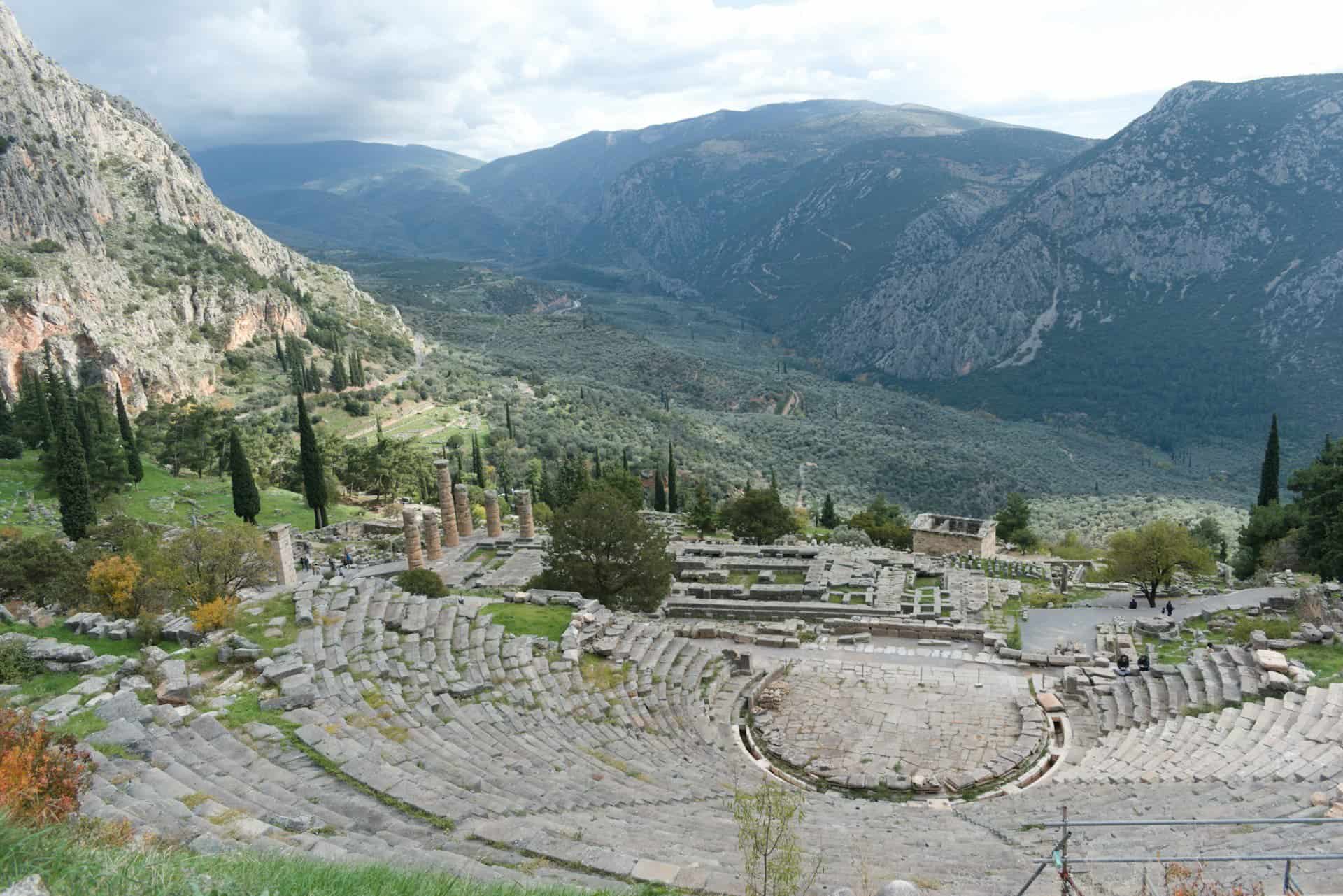
Greece is the cradle of classical civilization and of Western culture as a whole. At the southern tip of the Balkans, and across thousands of islands in the Aegean and Ionian Seas — both part of the Mediterranean — lies the mythical land of Hercules and Theseus, a country that today has become a true tourism empire. Alongside some of the most important archaeological sites in the world stretch countless equally mythical beaches, considered among the most beautiful in the entire Mediterranean basin.
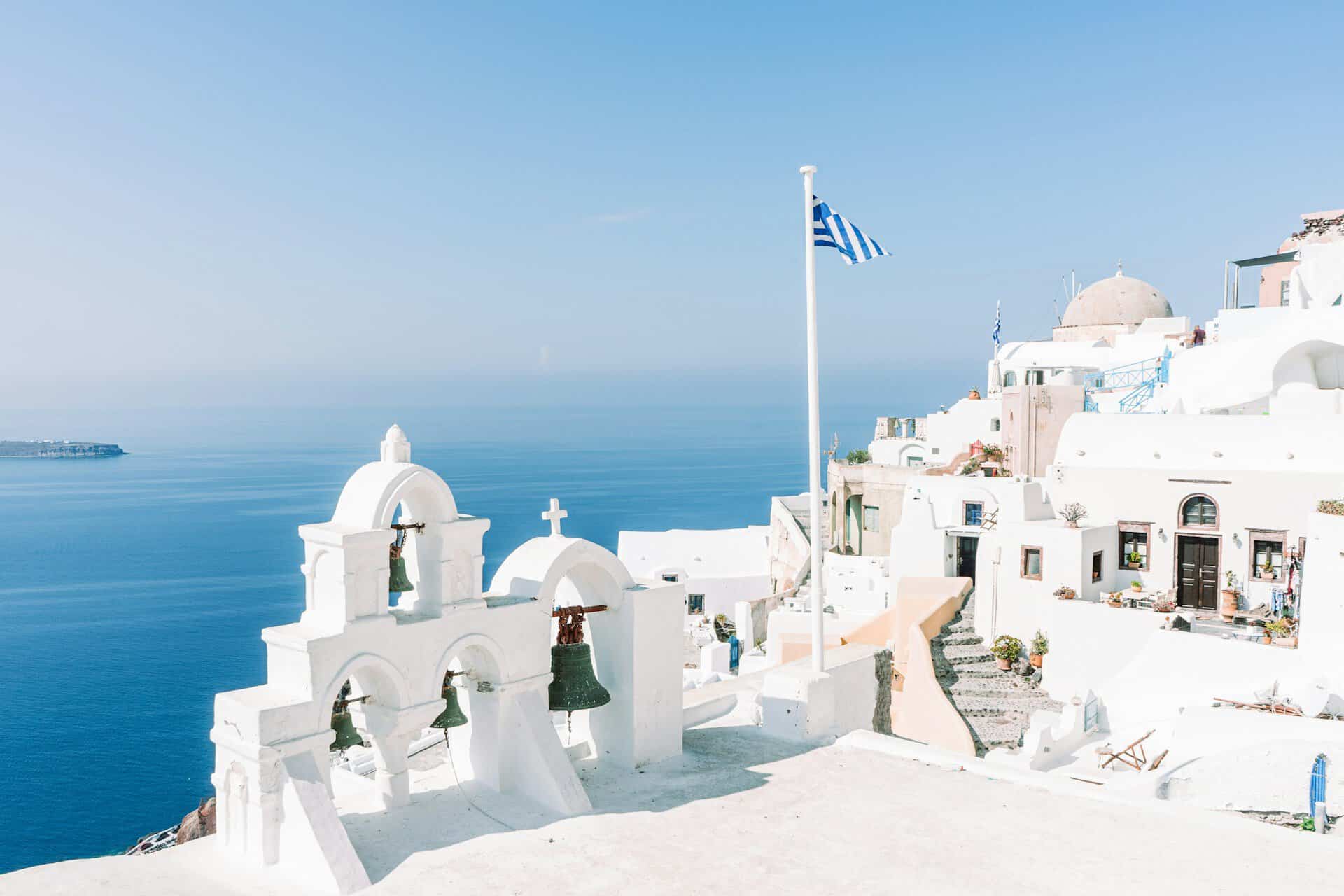
Greece is home to several major and historically significant cities, making it an excellent destination for an urban getaway.
Athens, the capital of modern Greece, also represents the height of ancient Greece and the classical world.
Thessaloniki, the capital of Macedonia and northern Greece, reflects the rich legacy of the Hellenistic era.
Beyond its cities, mainland Greece offers spectacular natural scenery and some of the most beautiful traditional villages in Europe, including:
- the hanging monasteries of Meteora
- the Pelion Peninsula and Thessaly
- the Zagori villages
- the walled towns of the Peloponnese
The Greek islands, meanwhile, are among Europe’s ultimate beach and resort destinations — from the volcanic landscapes of Santorini and Milos, to the expansive seaside resorts of Rhodes and Crete, and the dazzling white beaches of the Ionian Islands.
Map of Greece
A Bit About Getting to Greece
So… how do you get to Greece by air?
Regular flights to Athens and Thessaloniki operate daily throughout the year.
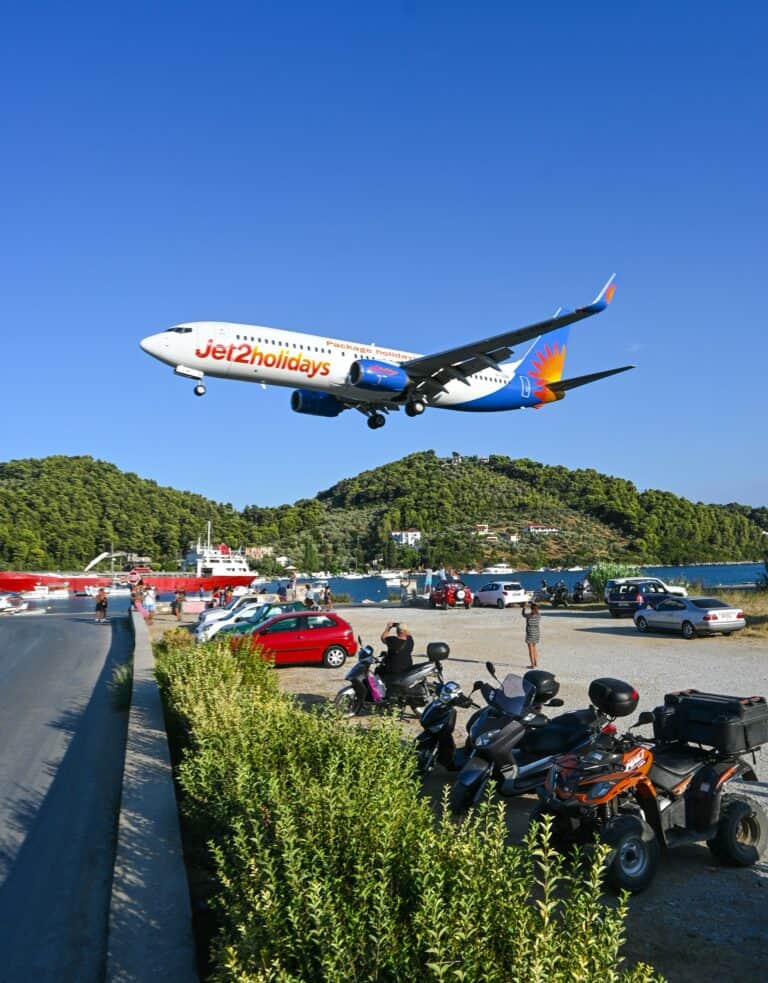
During the summer months, dozens of additional low-cost and charter flights operate directly to the airports of the Greek islands.
In recent years, the network of low-cost airlines flying to both major and smaller airports across Greece has expanded significantly, making flight tickets much more affordable.
Greece has more than thirty international and domestic airports. This extensive flight network provides easy access to every corner of the country, with a special emphasis on the islands.
It is also quite easy to find a flight with a transfer — mainly via Turkey or Cyprus, or by taking domestic flights from Athens or Thessaloniki — to virtually any destination in Greece.
Athens International Airport – Eleftherios Venizelos (ATH)
Athens International Airport – Eleftherios Venizelos (ATH) is the main airport serving Athens and the primary gateway to the Greek capital.
In addition to Athens itself, the airport also serves large parts of mainland Greece, from the Peloponnese (together with the airport in Kalamata) all the way to Thessaly.
The airport is located 25 km east of the city center and is very well connected to Athens.
Thessaloniki Airport (SKG)
Thessaloniki Airport (SKG) is located in the suburb of Thermi, just 13 kilometers from the city center.
The airport serves all of northern Greece and also handles a large number of domestic flights.
Among its international routes, Tel Aviv ranks relatively high in passenger traffic, mainly thanks to low-cost airlines, especially Ryanair.
The airport also serves as a key gateway for travelers heading to the nearby Halkidiki Peninsula, as well as to Kastoria and other popular destinations in northern Greece, including Meteora and the Zagori villages (both of which can also be reached from Athens).
Airports on the Greek Islands
In addition to the airports in Athens and Thessaloniki, which operate year-round, there are usually also direct flights during the tourist season to a variety of destinations across the Greek islands.
Flights to some of the smaller islands may vary from year to year, but there are usually regular routes to Crete (both Heraklion Airport and Chania Airport) and to Rhodes.
There are also regular flights to Mykonos, Kos, Kefalonia, Lefkada, Corfu, Zakynthos, Karpathos, Skiathos, Samos, Santorini, and more.
A Few Tips About Renting a Car in Greece
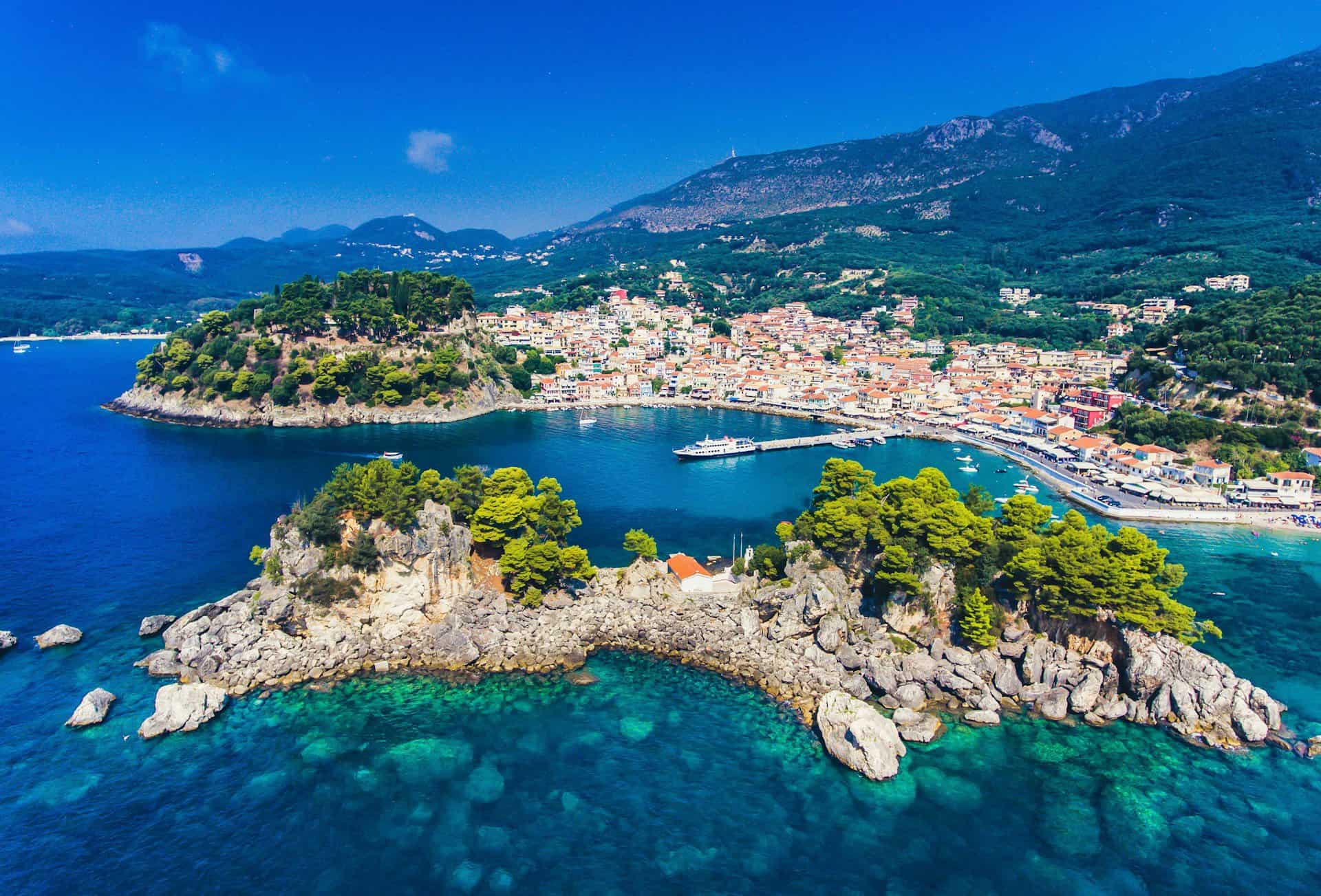
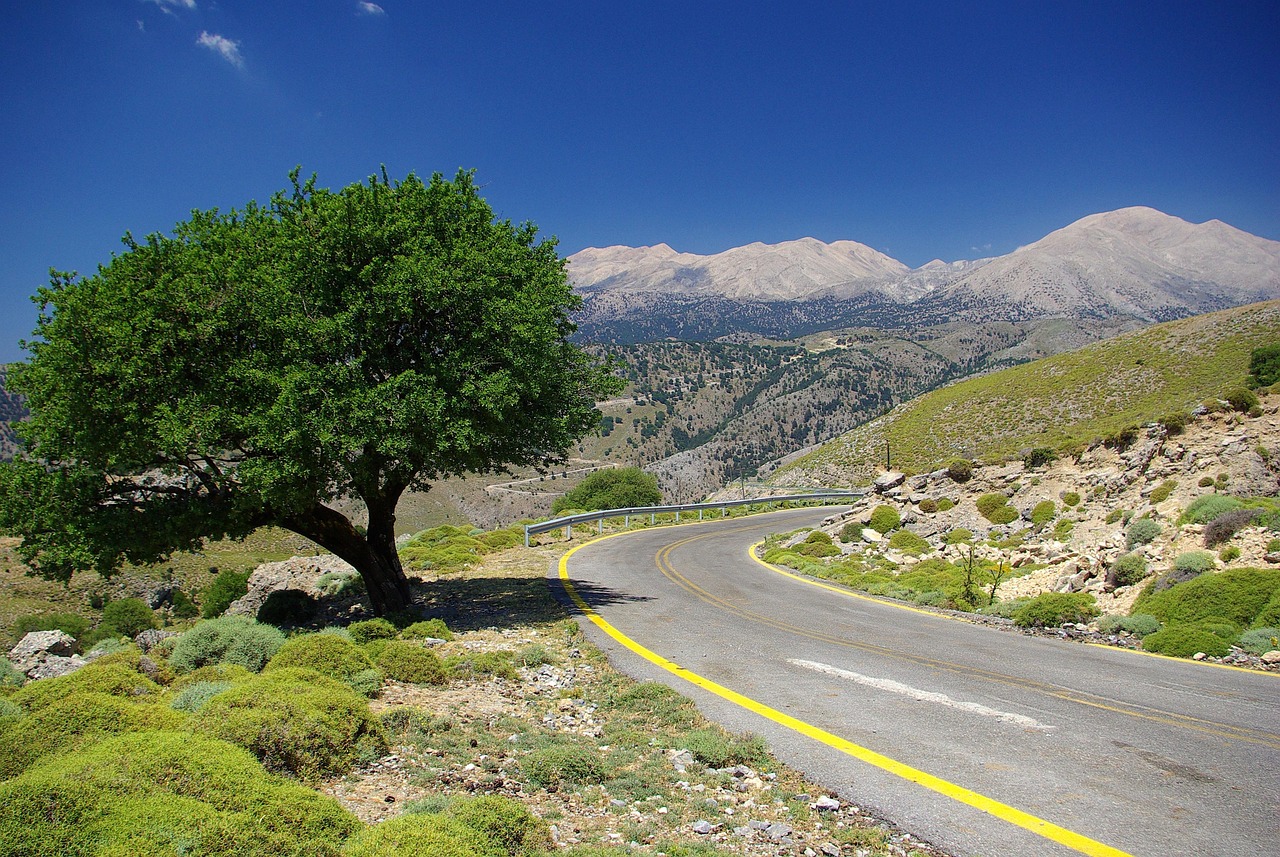
With the exception of Athens, public transportation in Greece is not always ideal, so renting a car is often the best way to explore different parts of the country — both on the mainland and on the islands.
It is usually not recommended to rent a car while staying in Athens itself. Instead, it is better to pick up your car when leaving the city and return it before driving back into the city center.
When comparing rental offers, make sure to compare the total package price — not just the car itself, but also all the extras such as insurance, additional driver, unlimited mileage, and more.
If you plan to leave Greece with the rental car
- If there is any chance that you may cross the border into another country, make sure to inform the rental company at the time of booking.
- Even if you are not completely sure yet, it is still a good idea to mention a few neighboring countries such as Bulgaria, North Macedonia, or Albania.
- In most cases, this either does not cost anything or involves only a small fee (usually up to around €15), and it is very important from an insurance perspective.
International driving permit
It is highly recommended to bring a printed International Driving Permit (IDP) in addition to your regular driver’s license.
It’s best to arrange this before your trip.
International credit card
The person who will be registered as the main driver must also have an international credit card with them — meaning a card that is enabled for use abroad.
Ideally, the card should be in the driver’s own name.
This is absolutely critical for car rental pickup, and quite a few travelers have found themselves unable to collect their rental car because they did not meet this requirement.
The booking itself can sometimes be made using a different credit card, but to avoid unnecessary complications, it is always best to make the reservation under the driver’s name and card whenever possible.
A comfort tip
Choose a car that is slightly larger than what you think you need.
Why? Because sometimes rental companies provide a vehicle that feels a bit smaller than expected, and because you will almost always end up traveling with more luggage than you planned.
Navigation and GPS
Before your trip, download navigation apps to your phone (or bring a GPS device) — but make sure they support offline navigation, without requiring a constant internet connection.
This can save you hours of wrong turns and unnecessary frustration.
If needed, you can also rent a GPS device from the rental company, but this is usually quite expensive, not always available, and in many cases the car already comes with built-in navigation at no extra charge.
Of course, real-time navigation apps are always the best option — but they will only work properly if you purchase a local SIM card, eSIM, or mobile data package for Greece.
If you plan to rely on your own device, make sure to download the map of Greece (and ideally also the maps of any neighboring countries) before your flight.
And just to be safe, it is still a very good idea to keep a good old-fashioned paper road map as a backup.
Types of Trips in Greece
A City Break in Athens and Thessaloniki
A trip to Athens or Thessaloniki is an especially fun and rewarding urban getaway.
Thanks to the Mediterranean climate, both cities are also excellent destinations during the winter season so at least you won’t be sweating while climbing up to the Acropolis 😉
Athens is known for its vibrant street life and its major historical landmarks, while Thessaloniki is a wonderful destination for a city break that can also include casinos, spa escapes, and even luxury hotels at surprisingly affordable prices.
In Athens and Thessaloniki, you’ll find it all:
- Important historical landmarks from both modern Greece and ancient Greece
- Some of the world’s most important archaeological sites, from classical Athens to Hellenistic Thessaloniki
- Outstanding state museums, among the best in Europe — from art and archaeology to even musical instruments
- Excellent shopping, both along lively city-center streets and in the many malls across the metropolitan area
- A vibrant evening and nightlife scene, with tavernas, bars, and traditional rebetiko clubs
Touring Mainland Greece
Greece is a fantastic destination for day trips from Athens or Thessaloniki, as well as for road trips through the countryside.
Mainland Greece is home to some of the most dramatic and unique geological landscapes in Europe, including the suspended monasteries of Meteora and the raw, untouched beauty of the Zagori villages and the Pindus mountain range.
The Peloponnese Peninsula is another outstanding destination, ideal for exploring the ruins of ancient mythical cities alongside the small towns and villages of modern Greece.
Exploring the Greek Islands
While the Greek islands are best known as super-popular holiday destinations, they are also wonderful places to travel and explore — even outside the main tourist season.
Every Greek island is a little gem with its own unique beauty.
Of course, the islands are famous for their stunning beaches, but they also offer everything else that makes Greece so special, including important archaeological sites such as Knossos in Crete, the island of Delos near Mykonos, and more.
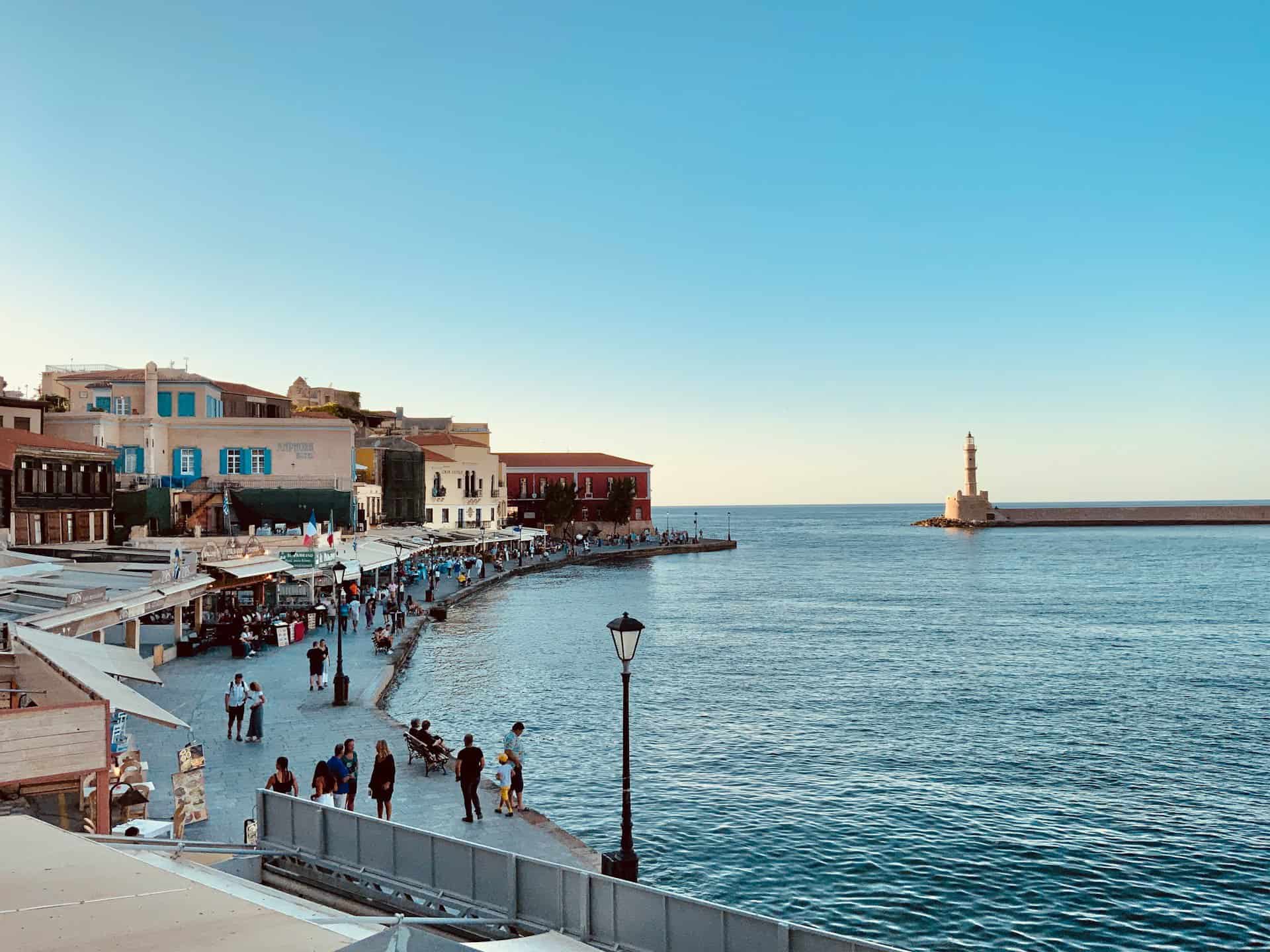
They are also home to a number of fascinating cities and towns, including Heraklion, Chania, Rhodes Town, Argostoli on Kefalonia, Corfu Town, and others.
The islands also feature beautiful natural landscapes, especially on the larger ones such as Crete and Rhodes.
Although most direct flights to the Greek islands operate during the tourist season — roughly between Passover and the High Holidays — it is still very easy to reach virtually any island in Greece via a connection through Athens or Thessaloniki throughout the year.
Holidays in Greece
Greece is home to dozens of islands with a highly developed tourism and hospitality industry.
During the summer season, there are direct flights from Tel Aviv to the country’s major holiday and resort islands, especially Crete and Rhodes, as well as to smaller but equally popular vacation hotspots such as Kos, Zakynthos, Santorini, Mykonos, and more.
Many of Greece’s resort islands are well worth visiting not only for their location, but also for their excellent hotels and, above all, for the exceptional beach experience they offer.
Which Greek Islands Are Best for a Holiday? 😎
- Crete – huge resorts and legendary beaches
- Rhodes – the perfect family holiday destination with a lively nightlife scene
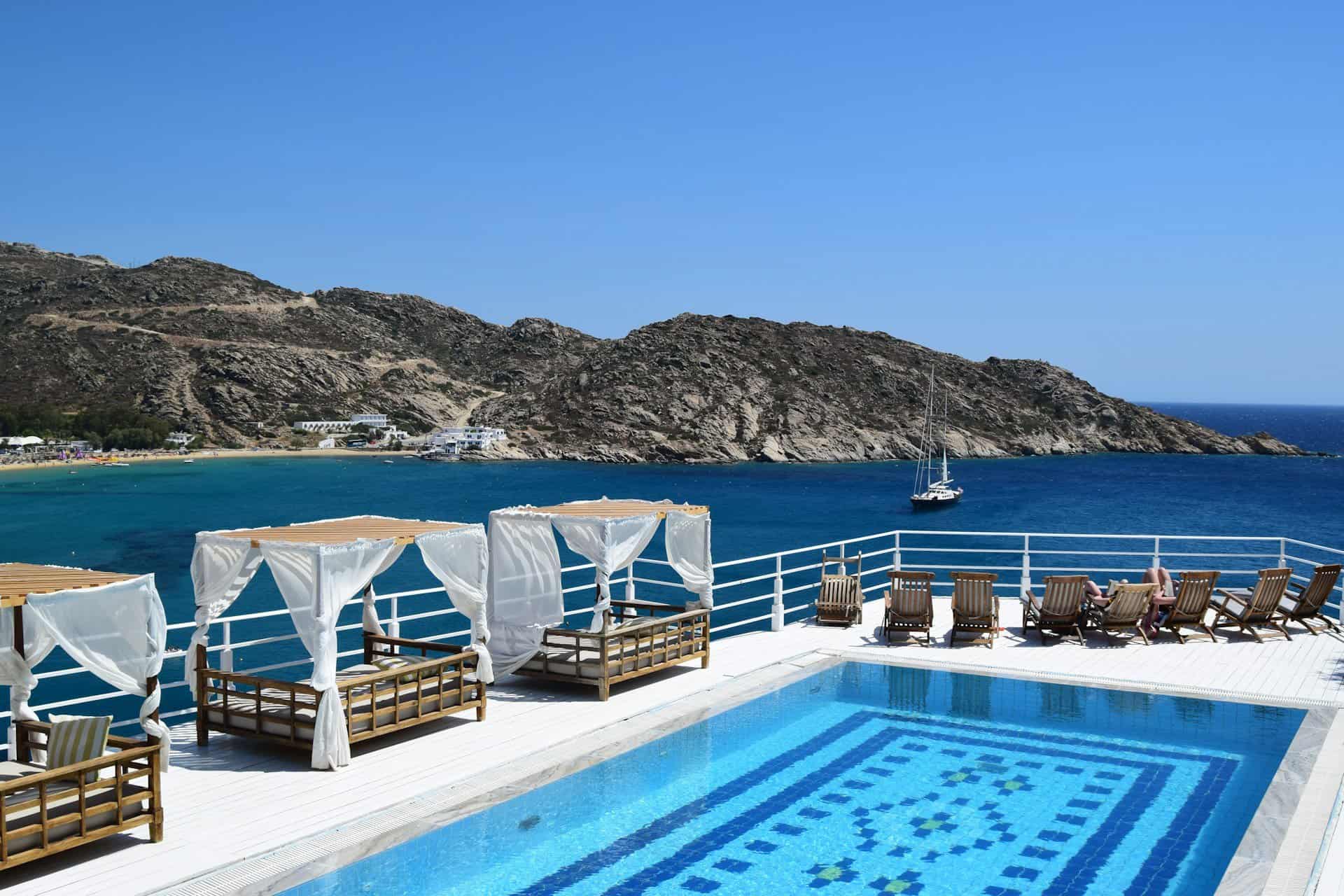
- Santorini – romantic boutique hotels and dreamy clifftop pools above the caldera
- Zakynthos – excellent resorts and dramatic white-cliff beaches
- Kos – sun, sea, and fantastic resorts
- Mykonos – a vibrant, youthful, and proudly LGBTQ+ friendly atmosphere
- Lefkada – a romantic vibe and breathtaking beaches
- Skiathos – a dreamy holiday on a lush green island
- Samos – excellent resorts set along beautiful beaches
- Milos – the most colorful volcanic beaches in Greece
- Corfu – romance and wonderful seafront hotels
- Karpathos – the perfect budget beach escape
- Ios – a party island atmosphere with huge sandy beaches
- Paros – spectacular coastlines and lovely resort stays
- Kefalonia – the ideal island for a peaceful and romantic getaway
- Naxos – home to some of Greece’s most beautiful golden beaches
- Skopelos – small, enchanting beaches and intimate places to stay
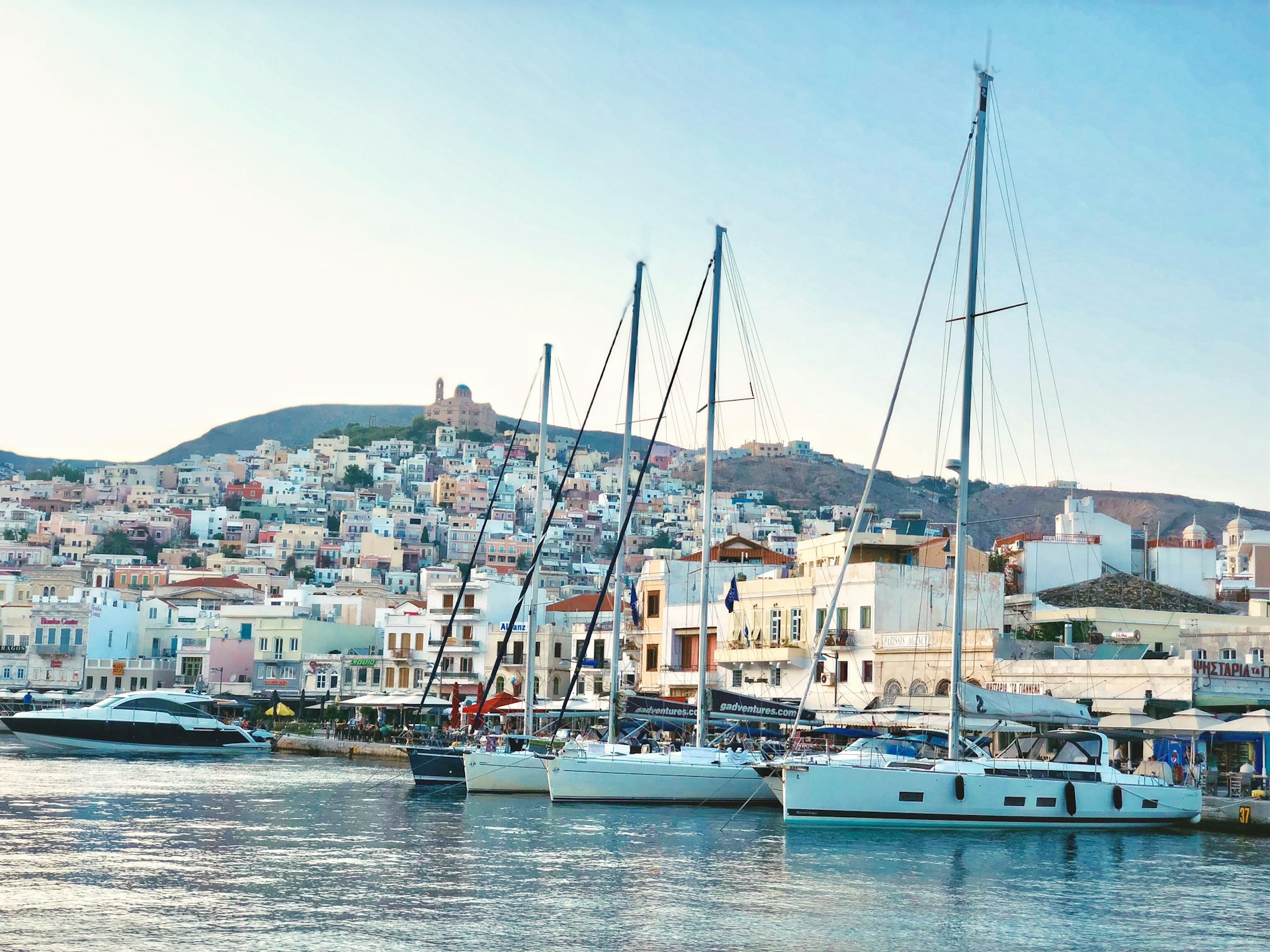
- Symi – a colorful island with dreamy food and atmosphere
- Lesbos – a calm and relaxing holiday on a large, green island
- Patmos – intimate hotels set along stunning beaches
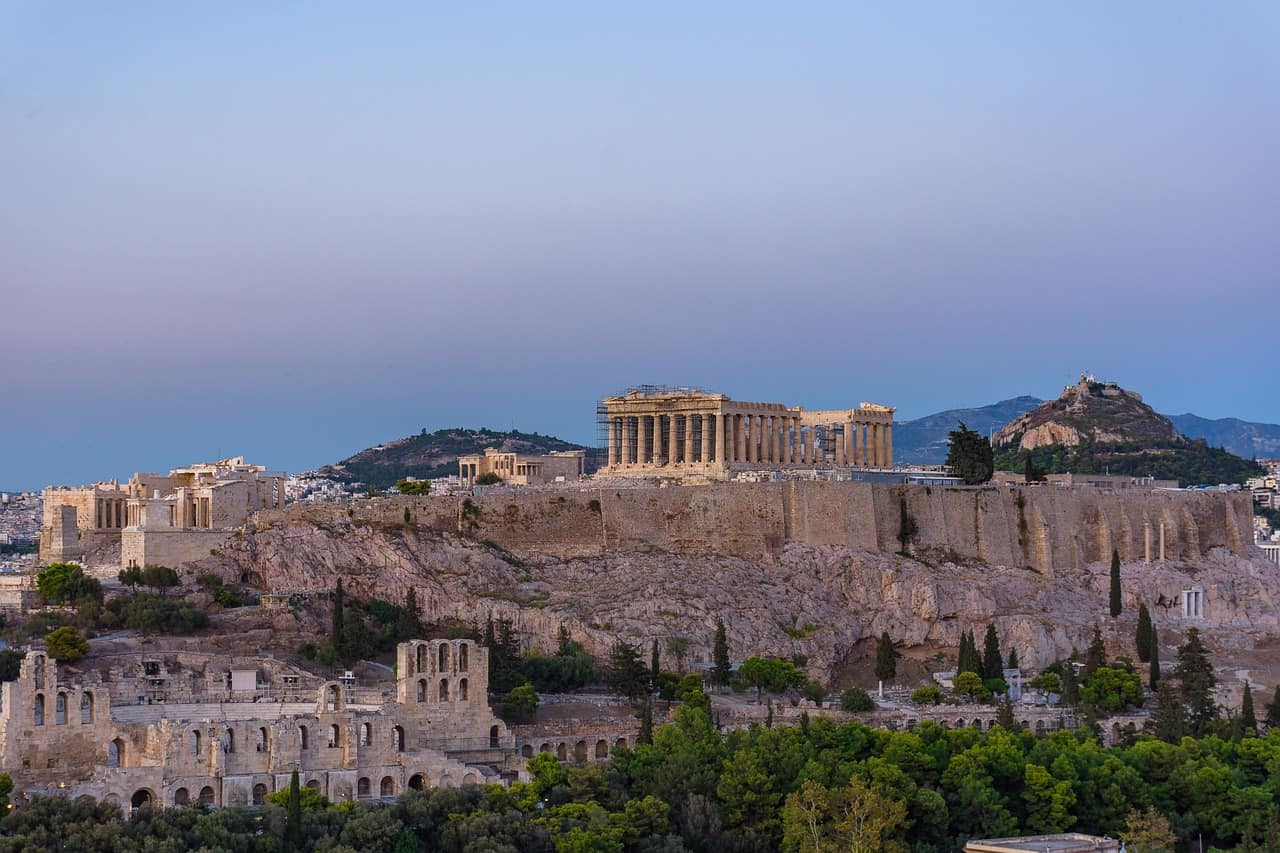
Athens
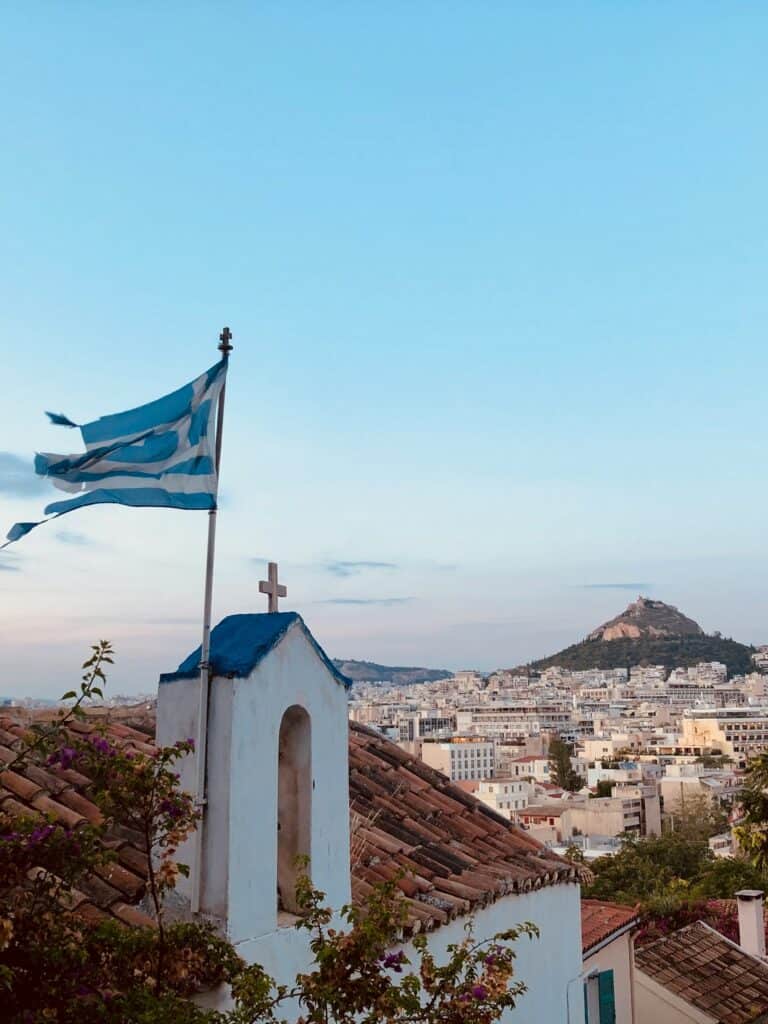
Athens, the capital of Greece, is one of the most important cities in the history of humanity.
The undisputed capital of the classical world — and perhaps one of the greatest expressions of human spirit and civilization — is today a vibrant, crowded metropolis that carries on its shoulders all the complexity of modern Greece.
At the heart of this historic capital stand some of the heritage sites that helped ignite Western civilization itself.
These monumental landmarks exist side by side with a modern urban atmosphere, as well as with the very real social, political, and urban challenges of contemporary city life.
It is precisely this tension between past and present that makes Athens such a fascinating and awe-inspiring city — and at times, one that can be a little overwhelming in the best possible way.
It is a city full of travelers climbing up to the Acropolis in search of a glimpse of the classical city of Pericles, before descending into the inviting Mediterranean streets of Monastiraki and Syntagma, where contemporary culture, local life, and rich cuisine take over.
In Athens, you will find everything — culture, history, mythology, archaeological sites emerging between modern buildings, outstanding museums, great food, excellent shopping, and above all, that unmistakable Greek atmosphere you simply won’t find anywhere else.
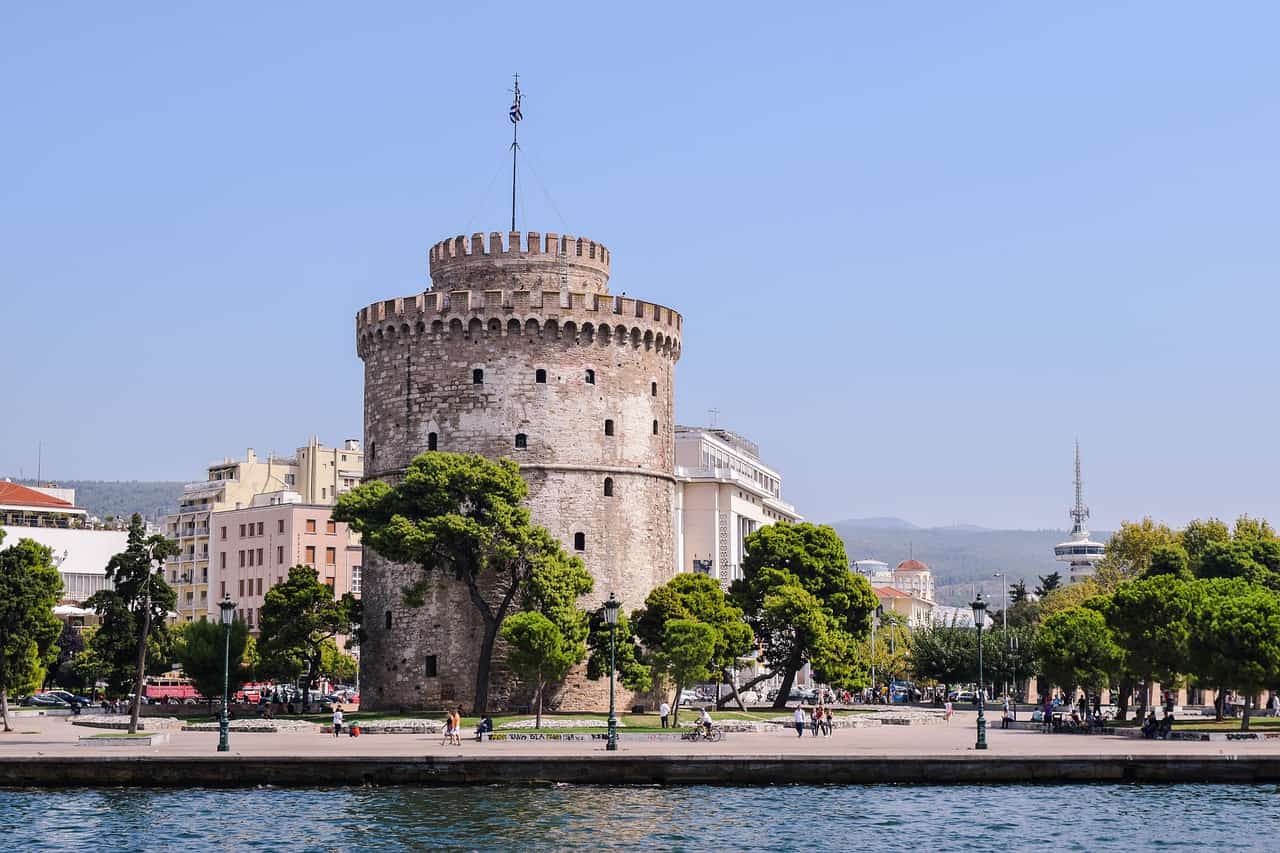
Thessaloniki
Thessaloniki is a city with a rich and layered history, yet what makes it stand out most today is its role as one of the most vibrant and modern cities in Greece.
It is the great urban center of northern Greece — a city full of character, history, and energy.
Thessaloniki is also one of the best-value travel destinations in Greece: a city of lively markets, excellent food, shopping, youthful student atmosphere, important historical landmarks, and endless charm.
As the capital of Macedonia, Thessaloniki serves as the cultural and urban heart of what is commonly referred to as northern Greece.
It is the second-largest city in the country. While it is much smaller than the sprawling metropolis of Athens, it is still large and influential enough to shape the identity and movement of the entire spectacular rural north.
Thessaloniki is a destination that is close, accessible, welcoming, delicious, historically rich, and relatively affordable.
The city is also a major transportation hub and the main gateway to the enormous tourism flow across northern Greece.
From its airport, countless travelers continue on to the Halkidiki Peninsula south of the city, to the scenic routes of northern Greece toward Kastoria, the Zagori villages, or eastward toward Mount Olympus and Thessaly.
Thessaloniki also holds immense historical significance for the Jewish communities of the Balkans.
It was once known as the “Jerusalem of the Balkans,” and until the Holocaust, Jews made up nearly half of the city’s population.
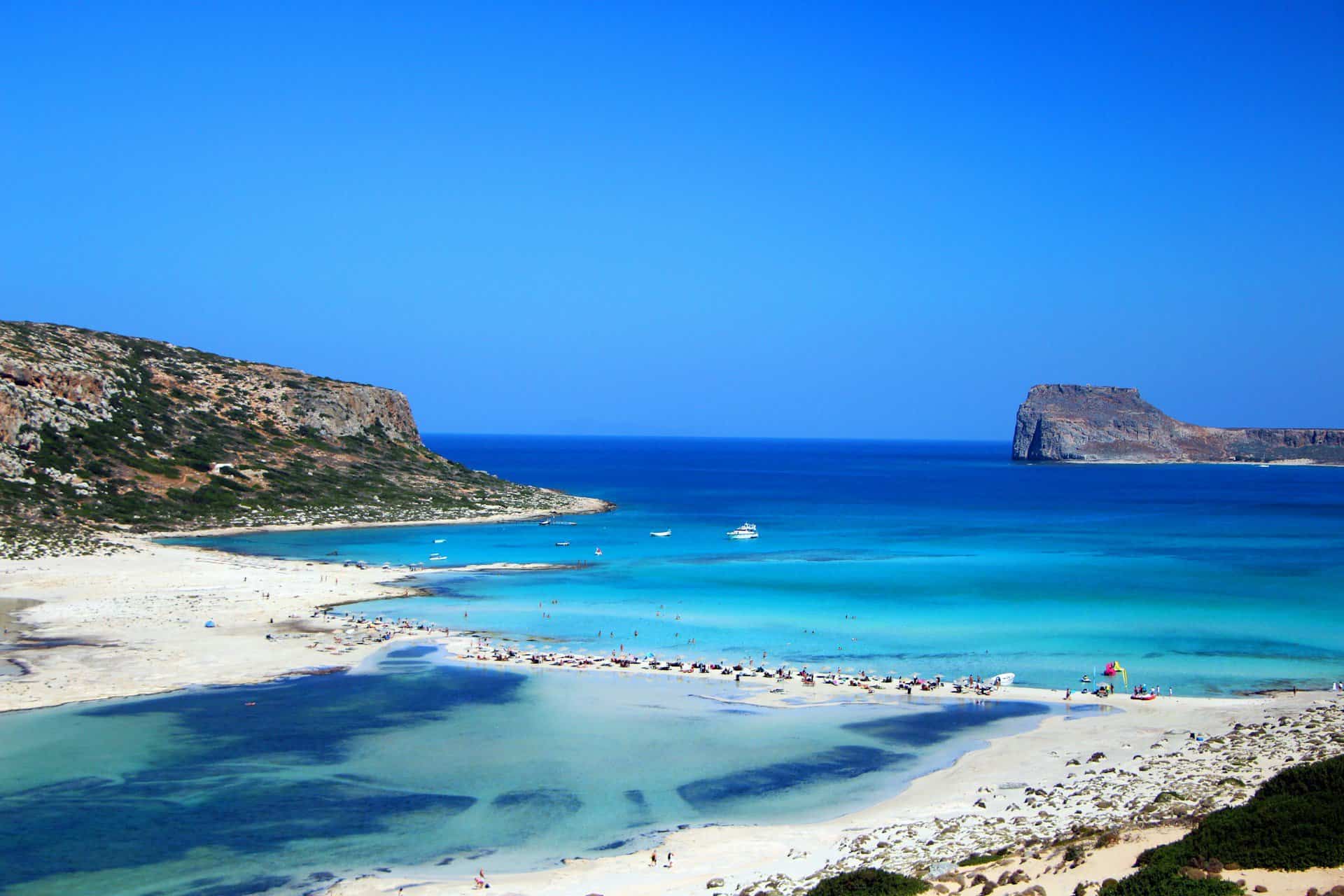
Crete
Crete is the largest and most attractive holiday island among the Greek islands. The island has an enormous number of hotels and resorts and is considered one of the top destinations for Israeli families seeking a summer vacation. Crete offers stunning beaches, large cities, historical sites and attractions, excellent food, and everything needed for a family-friendly holiday.
Crete is the ultimate embodiment of what we call the Greek islands. It is the largest of the Greek islands by far (almost the size of Cyprus). On Crete, you can find a combination of all the best Mediterranean experiences Greece has to offer:
- Spectacular beaches that are geological wonders, such as Balos Beach or Seitan Limania Beach.
- Long sun-and-relaxation coastlines, with luxurious all-inclusive hotels and resorts.
- Vibrant central cities with important sites, such as the Heraklion Archaeological Museum.
- Major tourist attractions, including water parks and aquariums.
- Abundant ancient sites, including the island’s mythical capital Knossos.
Crete is a fusion of the Greek islands and mainland Greece, with special restaurants and tavernas, excellent wineries, and endless blue seas and sandy beaches.
The Dodecanese Islands
The Dodecanese Islands — literally “the Twelve Islands” — form a large archipelago in the southeastern Aegean Sea, near the Turkish coast.
The largest island in the group is Rhodes, one of the most popular tourist destinations in the Mediterranean. Beyond Rhodes, the archipelago includes about 15 inhabited islands and more than 150 smaller uninhabited islets.
Apart from Rhodes, the Dodecanese feature several islands famous for holiday tourism, such as Kos, known for its bustling resorts, Karpathos, known for its tranquility, colorful Symi, and Patmos, a site of religious pilgrimage.
Rhodes
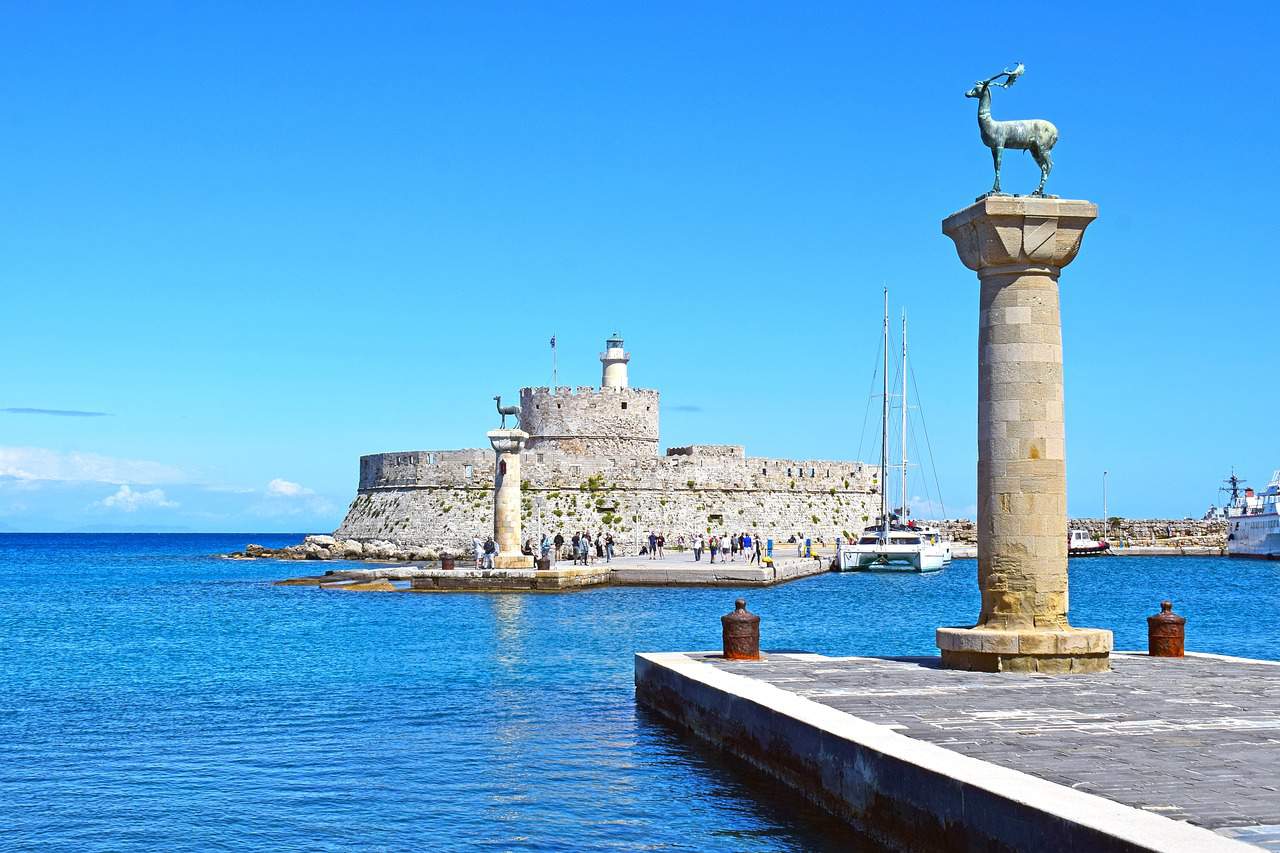
Rhodes — known in Greek as the “Island of Roses” — is one of the most attractive holiday destinations in the Mediterranean.
It is a top family vacation spot for travelers, offering stunning beaches, an energetic nightlife, modern and luxurious resorts, and excellent local cuisine.
Rhodes is one of Greece’s most popular tourism islands, particularly for family-friendly holidays. Millions of tourists flock to its beautiful beaches from spring through autumn, enjoying affordable stays at hundreds of hotels and resorts lining the coastline, most of which are concentrated along the eastern shore, from Rhodes Town to the second-largest town, Lindos.
Beyond the beaches, Rhodes also offers a traditional Greek countryside experience — both in the mountains and along the island’s western coasts — along with natural attractions for those who want to escape the island’s busier tourist areas.
Kos
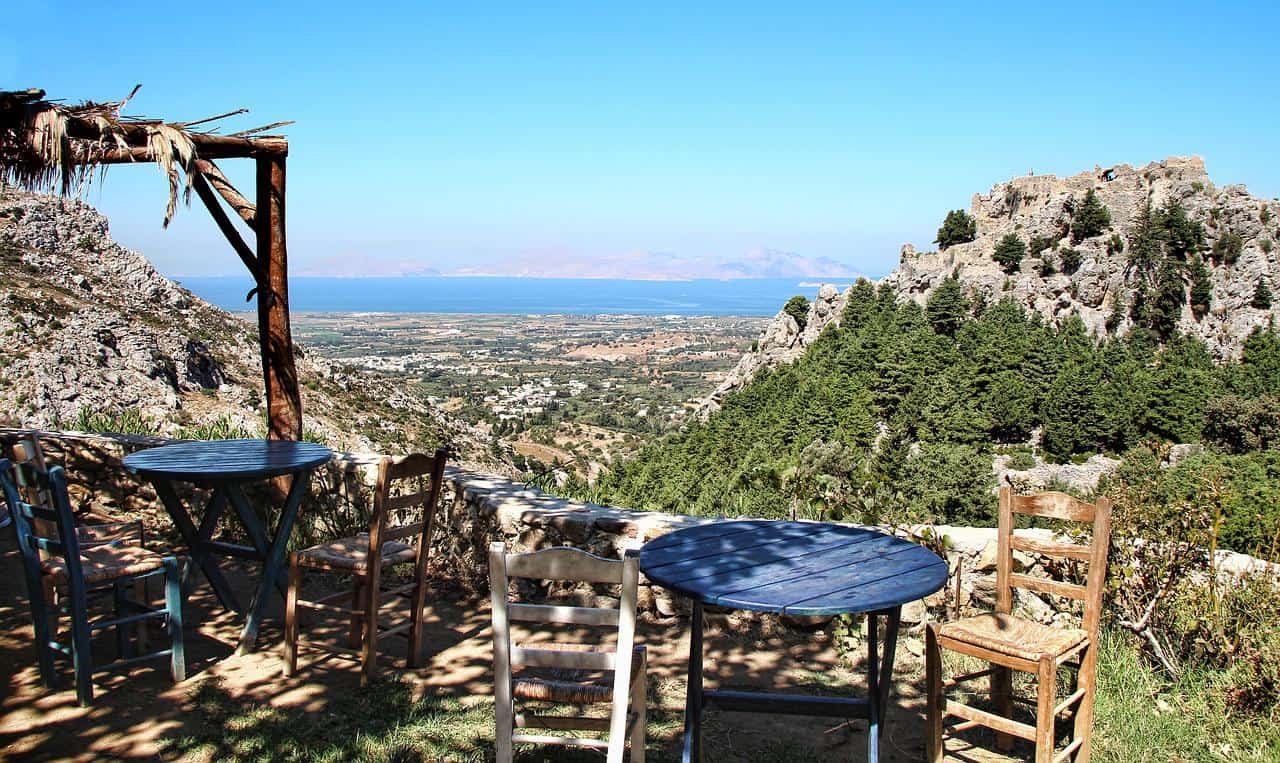
Kos is one of the most beloved holiday destinations in the Greek islands.
The island is fully dedicated to tourism and leisure, boasting some of the most enchanting beaches in all of Greece. Kos is home to a huge number of hotels and luxury resorts, catering to thousands of visitors every summer.
Located very close to the Turkish coast, both to the north and south, Kos offers an atmosphere of open, sun-drenched spaces, with long beaches stretching to the horizon, a sense of direct connection between holidaymakers and the sea, and a relaxed, peaceful character.
All of this makes Kos one of the most popular vacation capitals in the Mediterranean.
Karpathos
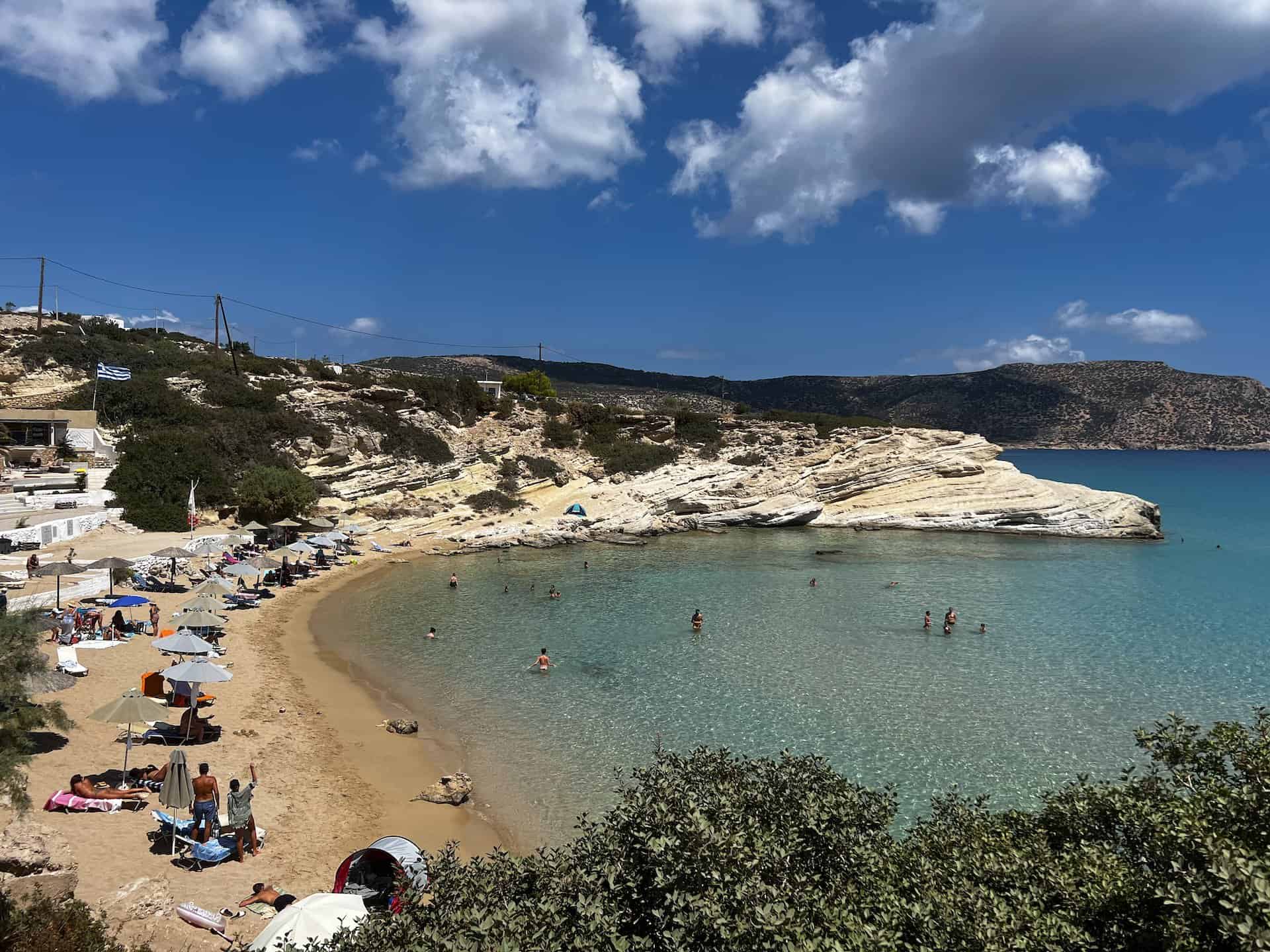
The charming island of Karpathos offers the peaceful, dreamy side of the ultimate Greek beach experience.
In the island’s small villages, ancient Greek traditions persist, life moves at a gentle, unhurried pace, and the atmosphere feels like a daydream come to life. Karpathos’ tourism industry is characterized by quiet seaside villages and low-key resorts, perfectly reflecting the island’s very rural and authentic character.
Karpathos lies roughly midway between the two Mediterranean tourism giants, Rhodes and Crete, yet it lacks the massive resorts, crowded hotel strips, and bustling shopping and nightlife of its neighbors.
Instead, the island’s main attraction is its direct, unspoiled connection between holidaymakers and the natural beaches.
With only about ten villages, Karpathos feels like a step back in time, to an era before the development of the large-scale tourism industry that now dominates many of Greece’s other islands.
Symi
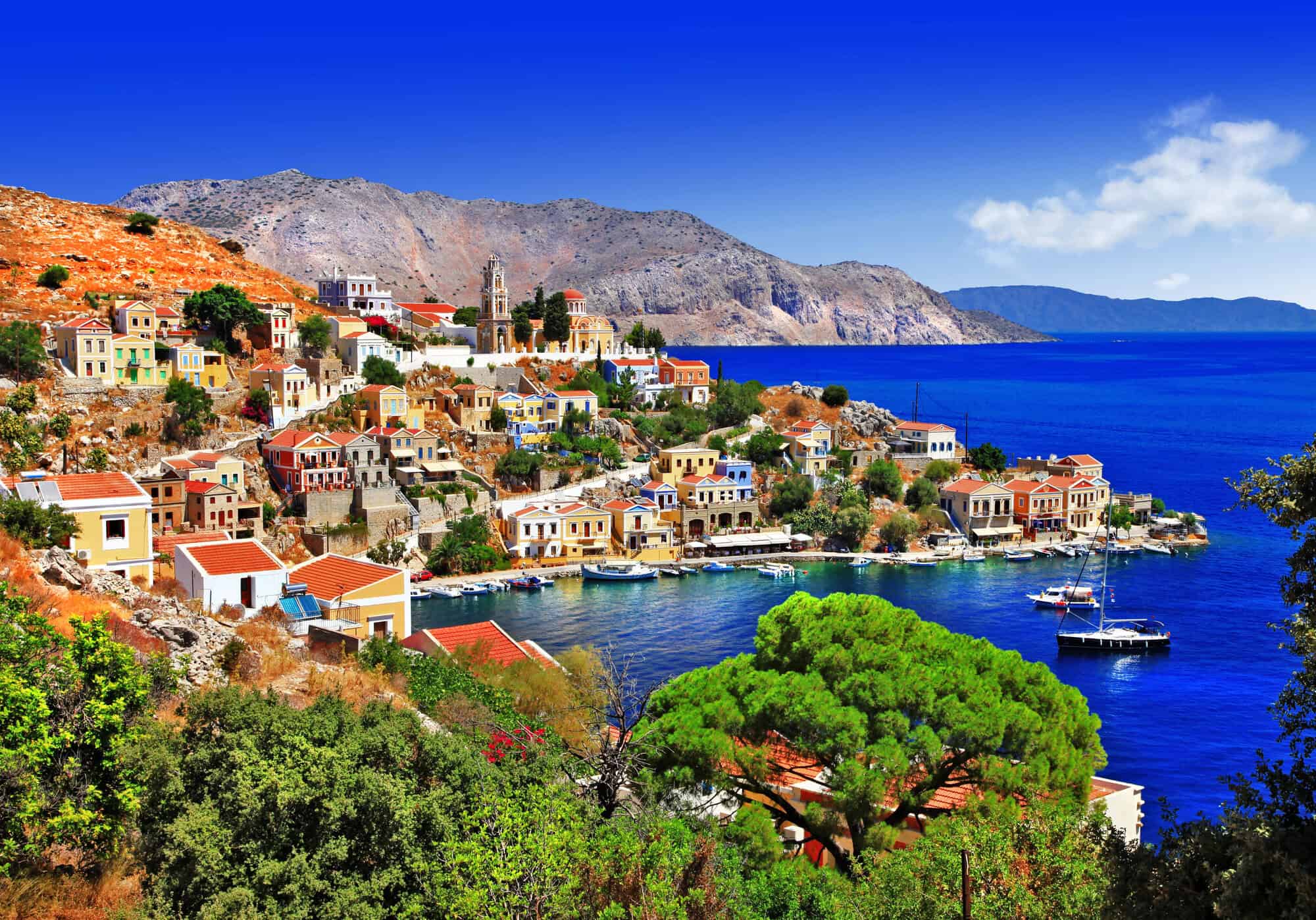
Symi is a sun-drenched slice of paradise that perfectly captures the oriental charm of the Dodecanese islands.
The island is a vivid tapestry of colors: golden cliffs, turquoise waters, houses in every shade of the rainbow, white boats bobbing in the harbors, blue Greek flags, and the blazing summer sun.
These colors mingle with the aromas of fried seafood, grilled fish, and the hustle and bustle of boat engines, creating an island experience that is as sensory as it is unforgettable.
Patmos
The holy island of Patmos offers a unique travel experience, combining charming beaches with sites of profound religious significance.
The island is famous as the place of exile of John the Evangelist, who wrote the Book of Revelation, describing the Apocalypse.
Due to its religious stature, tourism on Patmos blends relaxed, peaceful beach holidays with visits to sites of immense spiritual importance — primarily for pilgrims, but not exclusively.
This small and rugged island also offers stunning natural scenery and beautiful coastal landscapes, providing a holiday experience that is distinctly different from the commercialized tourism found on many neighboring Greek islands in the eastern Aegean.
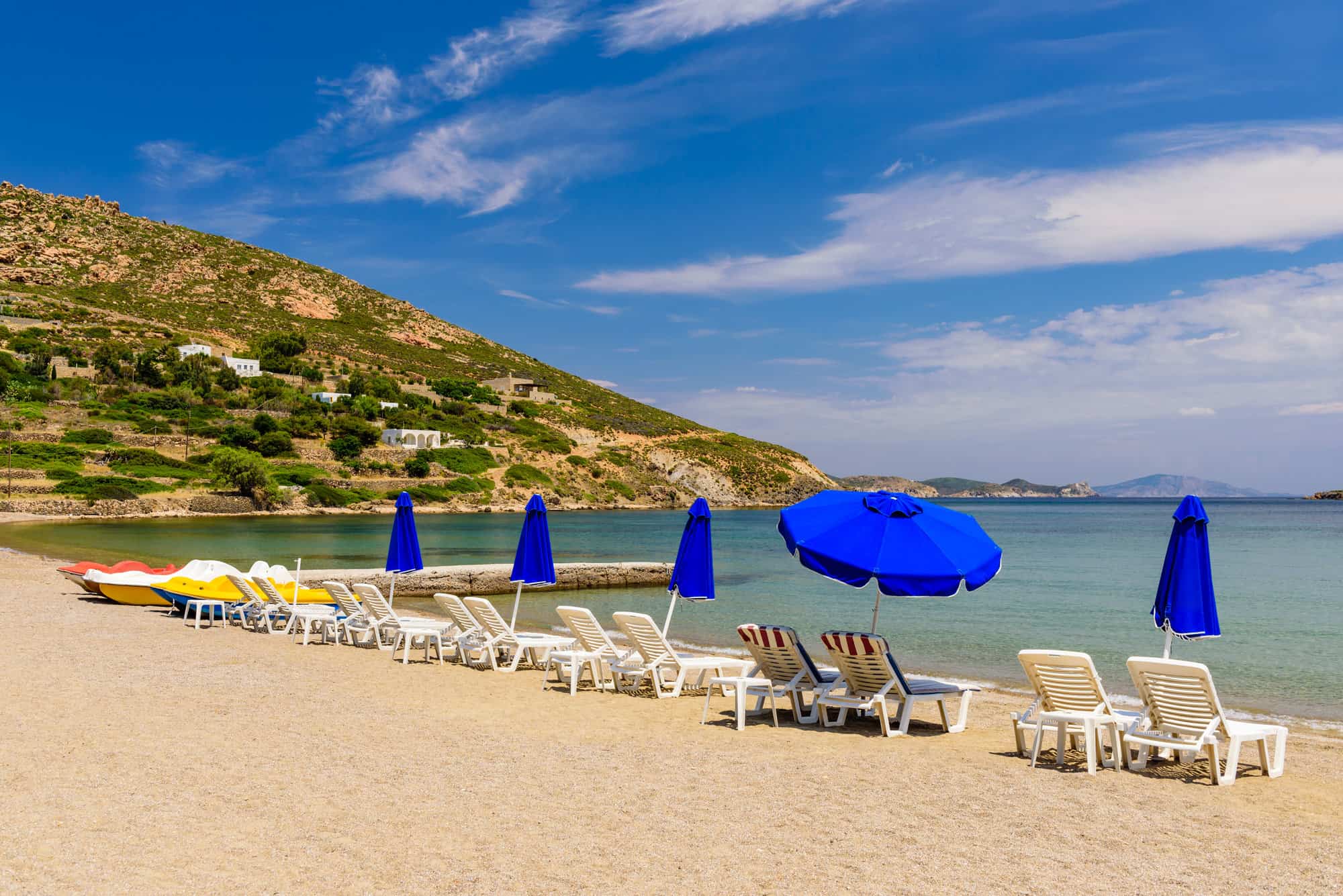
The Ionian Islands
The Ionian Islands form the westernmost archipelago of Greece, located in the Ionian Sea.
Due to their history and geographic proximity, these islands — while part of Greece — have a distinctly Italian character and charm.
The archipelago comprises about 40 islands and islets, though fewer than ten are inhabited. The largest island is Kefalonia, the sixth-largest island in all of Greece.
Beyond Kefalonia and its neighbor Ithaca (the legendary home of King Odysseus), Lefkada, Corfu, and Zakynthos are also very popular holiday destinations, each accessible by flight.
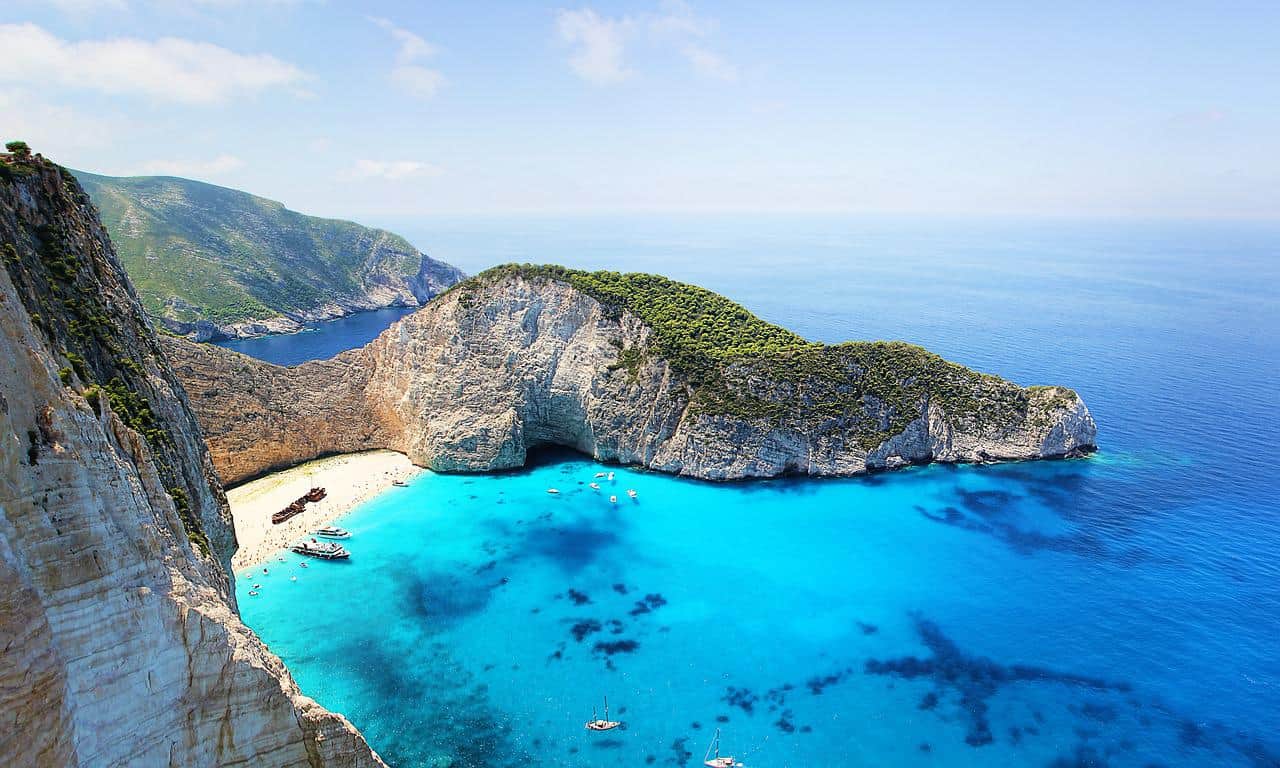
The islands feature some of the most beautiful white sand beaches in the Mediterranean, including Navagio Beach (the famous shipwreck) in Zakynthos, Myrtos Beach in Kefalonia, and Porto Katsiki in Lefkada.
Zakynthos
Zakynthos, located west of the Greek mainland, is home to some of the most stunning natural beaches in the Mediterranean.
The island’s crown jewel is the geologically spectacular Navagio Beach (Shipwreck Bay).
Zakynthos is a pure Greek holiday island, offering a wealth of restaurants, tavernas, bars, and lively nightlife.
It is an ideal destination for families with children, as well as for young-at-heart travelers looking to celebrate and enjoy the island’s vibrant evening scene.
Kefalonia
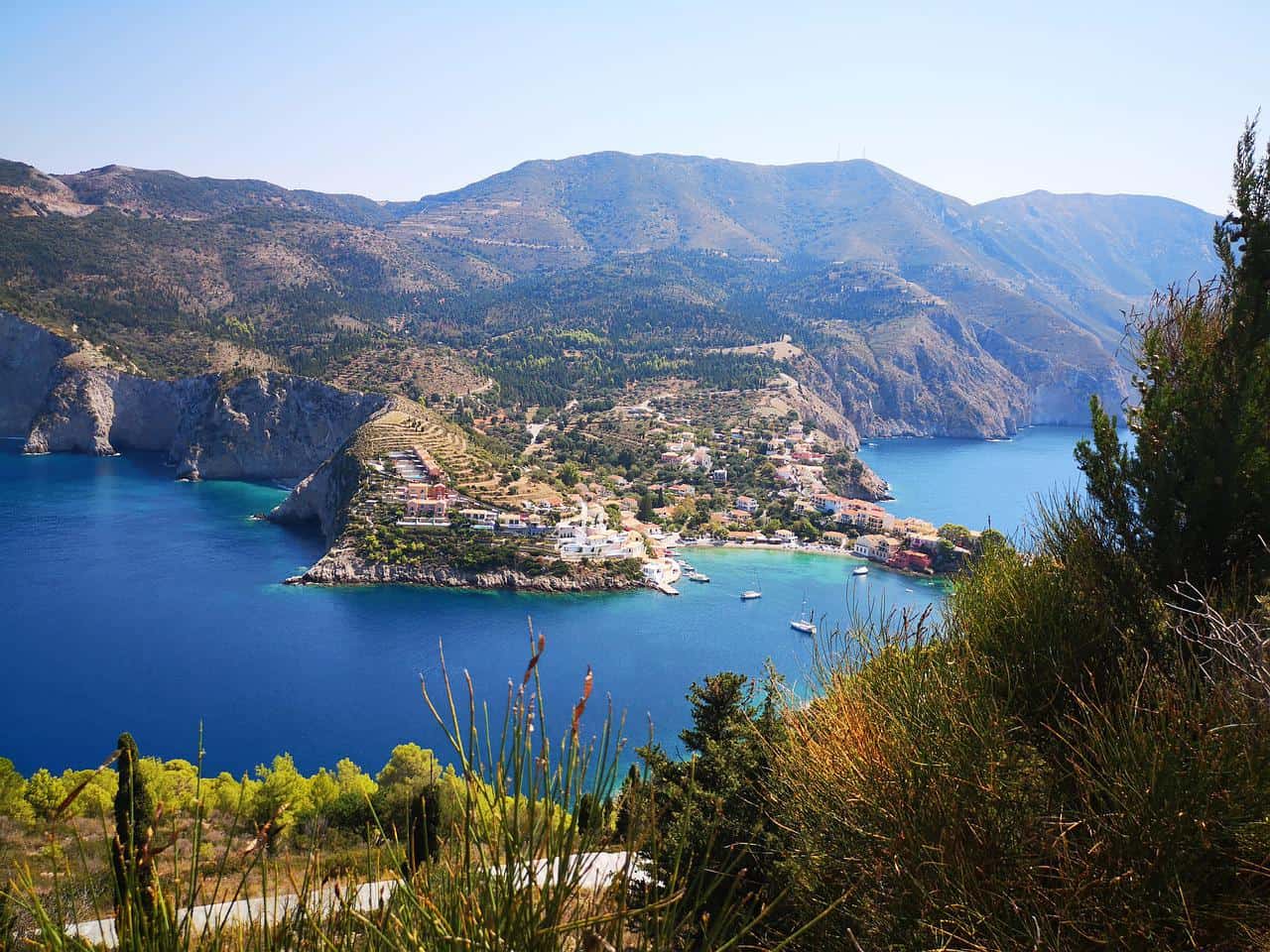
Kefalonia is one of the most popular holiday destinations in the Ionian Sea.
The island boasts some of the most attractive and beautiful beaches among the western Greek islands. It offers a quiet, pastoral holiday experience, ideal for families with children.
Kefalonia is a lush, green island with abundant rainfall, unlike the drier islands of the Aegean Sea, yet it still enjoys plenty of summer sunshine.
Both Kefalonia (the island of Kefalos) and its neighboring Ithaca are steeped in Greek mythology.
Ithaca, the smaller island, is famously known as the home and longing-place of King Odysseus, one of the greatest heroes of the Trojan War. Homer dedicated the epic Odyssey to Odysseus’ long journey back from the ruined city of Troy to his home in Ithaca. The term “Odyssey” has since become synonymous with a long and adventurous journey, and much of the story’s action is set on Ithaca itself.
Lefkada
Lefkada offers a holiday experience unlike any other in Greece’s mainstream tourist islands.
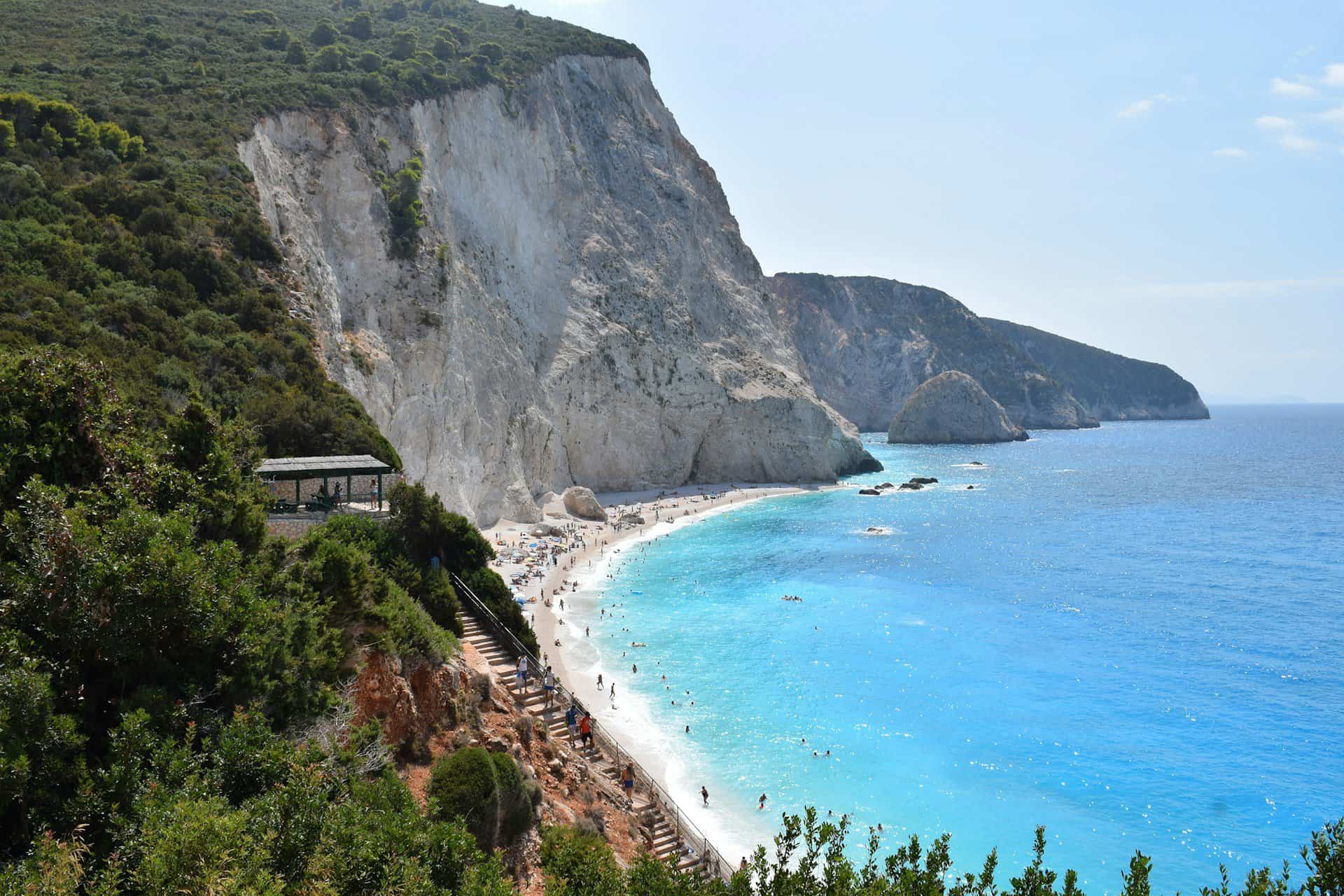
Located in western Greece, the island is renowned for its breathtaking beaches, especially the white-cliffed shores in its southwestern region. Porto Katsiki and Agios Nikitas (or Agremni) beaches are considered some of the most beautiful in all of Greece, and they have become major attractions in their own right.
Beyond these famous spots, Lefkada boasts numerous other stunning beaches, including intimate coves in the southern part of the island and long “lido” stretches lined with hotels and resorts near the island’s capital, Lefkada City.
The island also offers plenty of nature trails and a vibrant urban holiday experience in Lefkada City.
Lefkada is well-connected to the Greek mainland by a road that passes over a series of small shoals, effectively linking it to the continent. Yet, despite this easy access, the island retains its independent character, which is a major part of its charm.
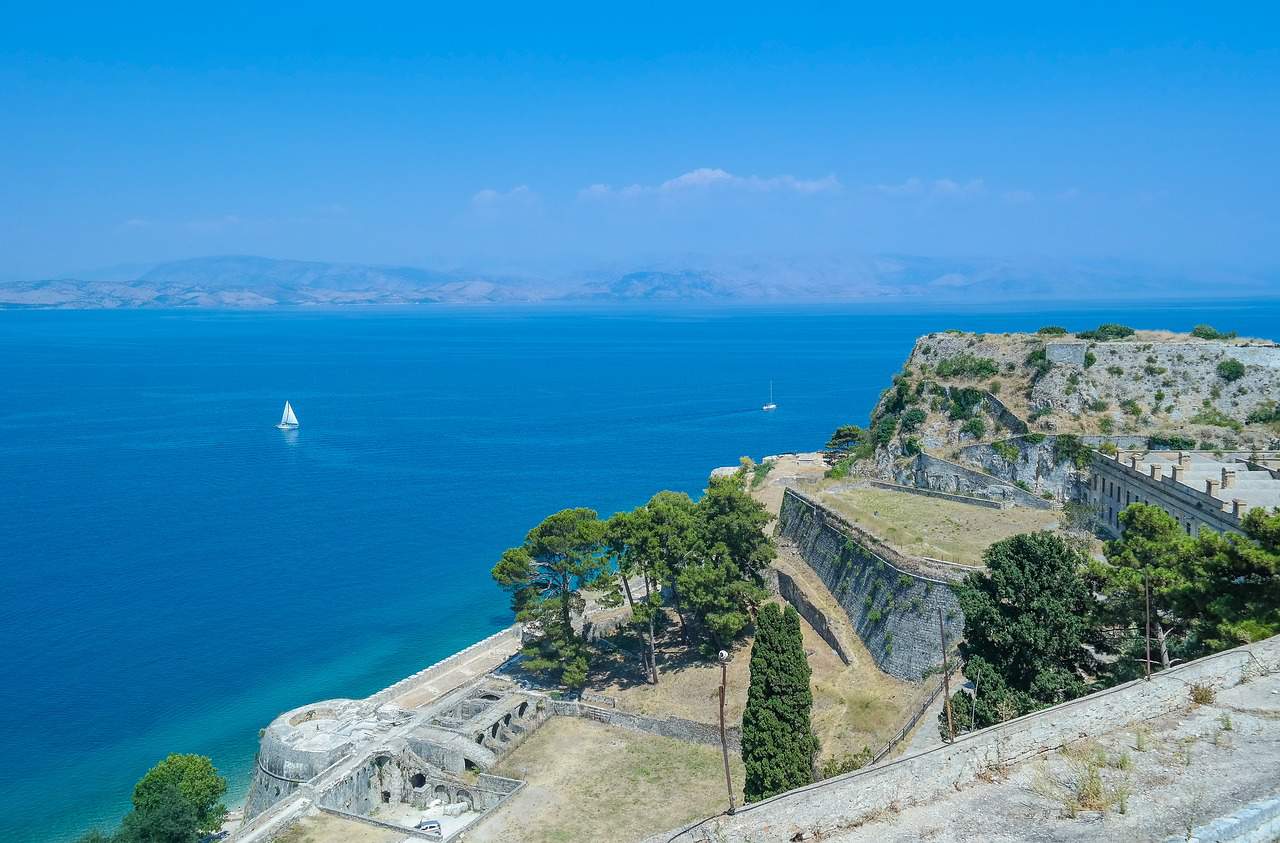
Corfu
Corfu is one of the most attractive holiday destinations among all the Greek islands.
Located in northern Greece, just across from the coasts of Albania, the island offers a different experience from the classic Aegean islands. This green and picturesque island is characterized by tranquil villages, an abundance of excellent seafood restaurants, and stunning beaches, some of which are considered among the most beautiful in all of Greece.
Corfu is extremely popular with tourists from across Europe, featuring an almost overwhelming number of top-notch hotels and resorts.
The island’s historic character gives it a sense of being a “step abroad” from Greece itself. Due to centuries of Roman and later Venetian rule, Corfu’s villages and countryside bear a strong resemblance to the rural landscapes of southern Italy, offering a unique blend of Greek charm and Mediterranean heritage.
The Cyclades
The Cyclades are an archipelago located in the central and western Aegean Sea, home to some of Greece’s most popular and beautiful islands.
The group is named after the circular formation of islands surrounding the sacred island of Delos, which lies next to Mykonos. Delos, a modest and arid island, is considered one of the holiest sites in Greece, as it is believed to be the birthplace of the god Apollo.
The archipelago comprises over 200 islands, of which about thirty are inhabited.
The Cyclades are also the cradle of the ancient Cycladic culture, an archaic civilization regarded as one of Europe’s earliest cultures. This culture is especially famous for its stone figurines depicting human forms, which had a major influence on modern art, notably on Picasso and Modigliani.
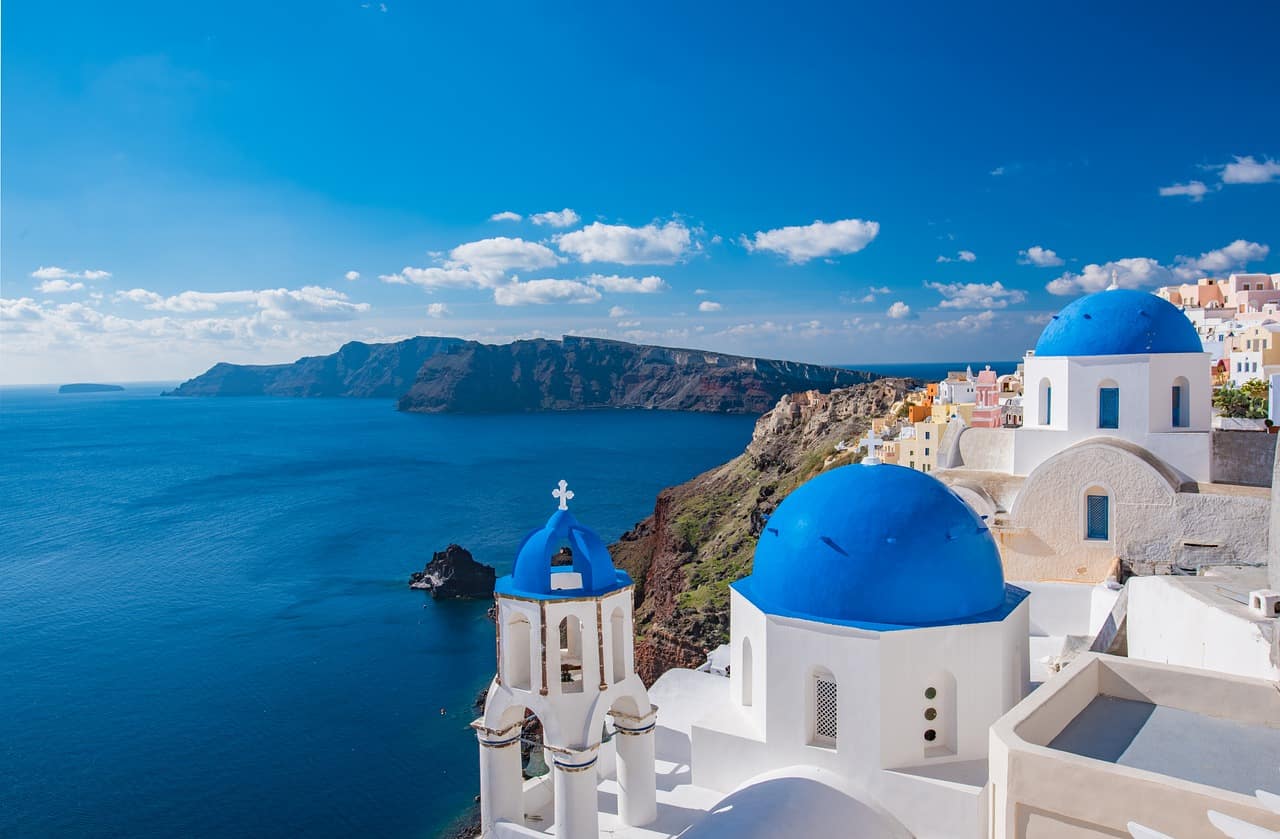
The islands’ distinctive architecture is among the most iconic images of Greece, characterized by narrow streets paved with blue slate, dazzling whitewashed walls, and the blue-domed churches that crown many villages and towns.
Santorini
The picturesque island of Santorini is one of Greece’s top tourist destinations.
The island’s small capital, Fira, is among the most attractive and trendy holiday spots in all the Greek islands. It offers a long chain of hotels and resorts perched on the edge of the Caldera cliffs, the remnant of an ancient volcanic crater. The blue pools of the hotels echo the iconic blue-domed churches, set against the backdrop of the deep blue sea — a truly breathtaking experience.
The island’s beaches have been heavily shaped by its geological history and the volcanic eruption that occurred 3,500 years ago. Today, the volcano is dormant, but the landscape scars left by the eruption have given visitors some of Greece’s most unique beaches.
Santorini’s distinctive architecture, part of the broader Cycladic style, has itself become a Greek symbol. The nearly chaotic cluster of whitewashed houses adorned with large blue domes, reflecting the deep blue of the sea below, set against the steep cliffs of the Caldera, creates a scene of unforgettable beauty.
Mykonos
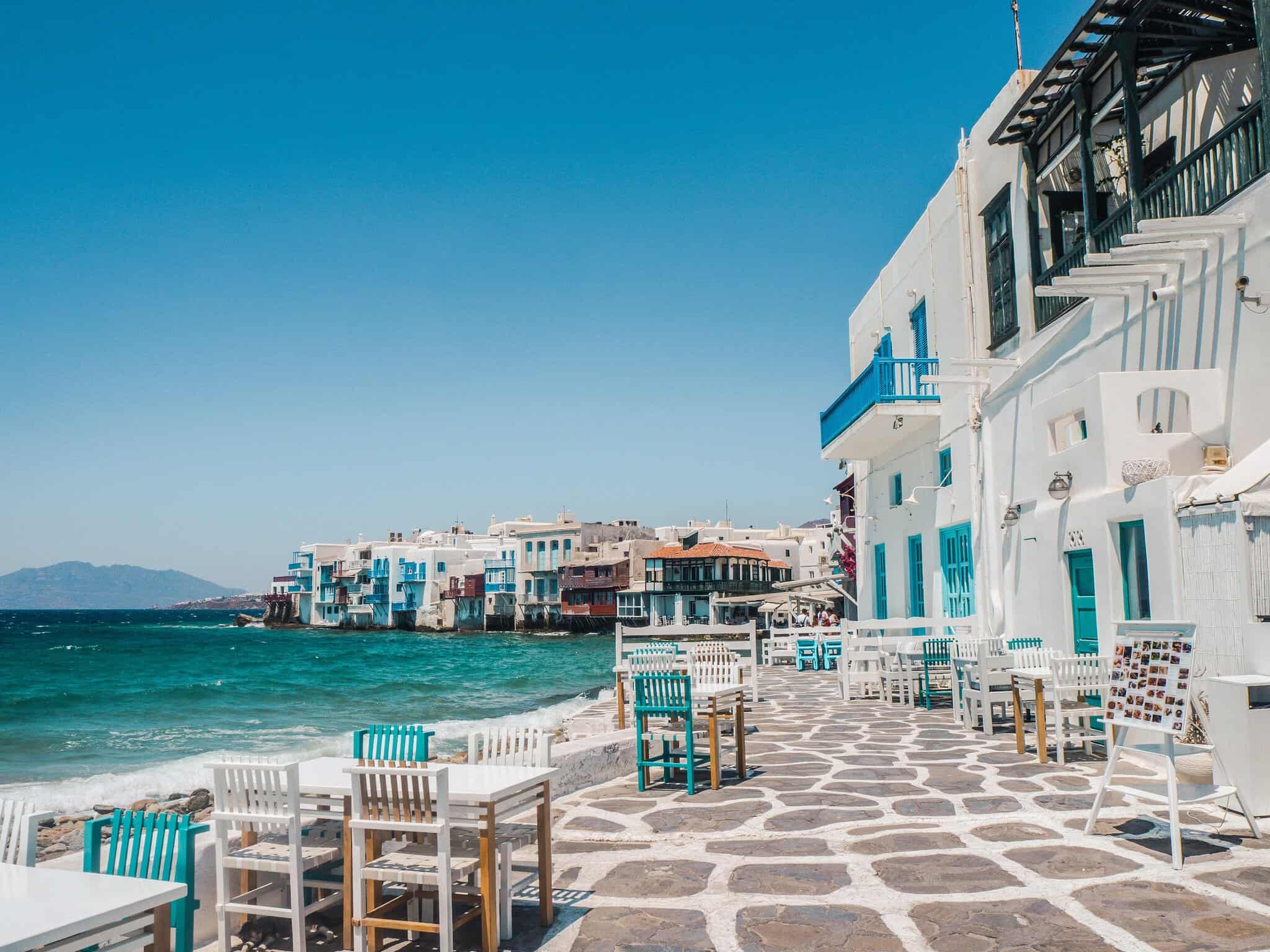
Mykonos is the island of parties and luxury. It is one of the most popular holiday destinations for partygoers, the LGBTQ+ community, celebrities, and anyone seeking a beachside celebration.
Paradise Beach is well known as one of Greece’s top beaches for young partygoers, while its neighbor, Super Paradise Beach, has become the premier LGBTQ+ beach destination in Greece.
Around Paradise Beach, there are countless other popular beaches, all surrounded by a wide selection of hotels and resorts, mostly in the high-end luxury segment. During the summer, the entire island transforms into one huge, vibrant, and noisy party, with energy levels far surpassing those of any other Greek island.
Naxos
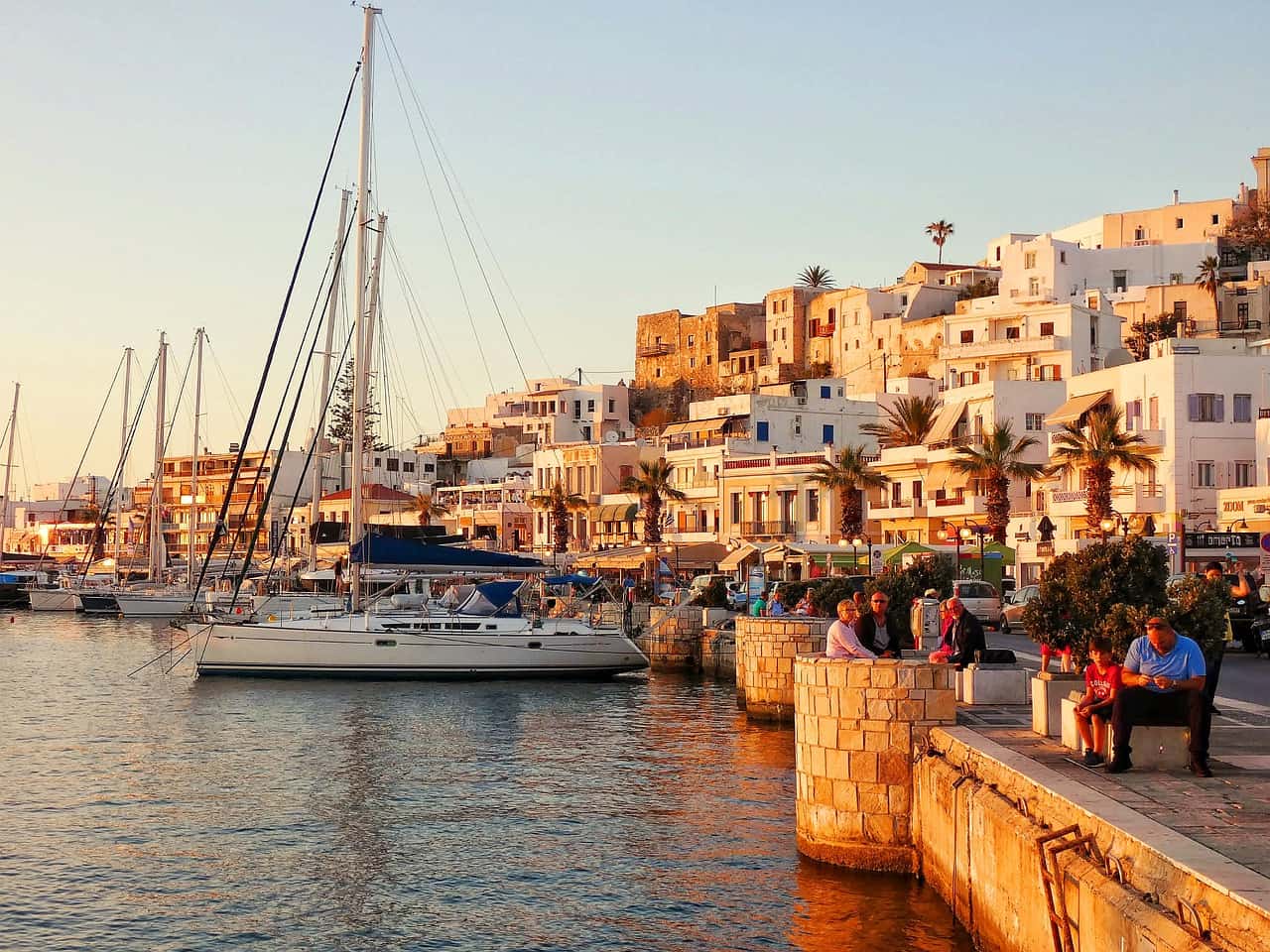
Naxos is one of the most beloved and beautiful holiday destinations in the Aegean Islands. Most of the island’s beaches and hotels are concentrated along the western coastline, south of the capital, Naxos City.
The western coastal strip features long, wide beaches with golden sands, and the mesmerizing turquoise waters are complemented by the views of neighboring Paros on the eastern horizon.
Each summer, the once-quiet island of Naxos comes alive, offering a vibrant and developing holiday experience that draws thousands of visitors to some of the most attractive beaches in Greece.
Paros
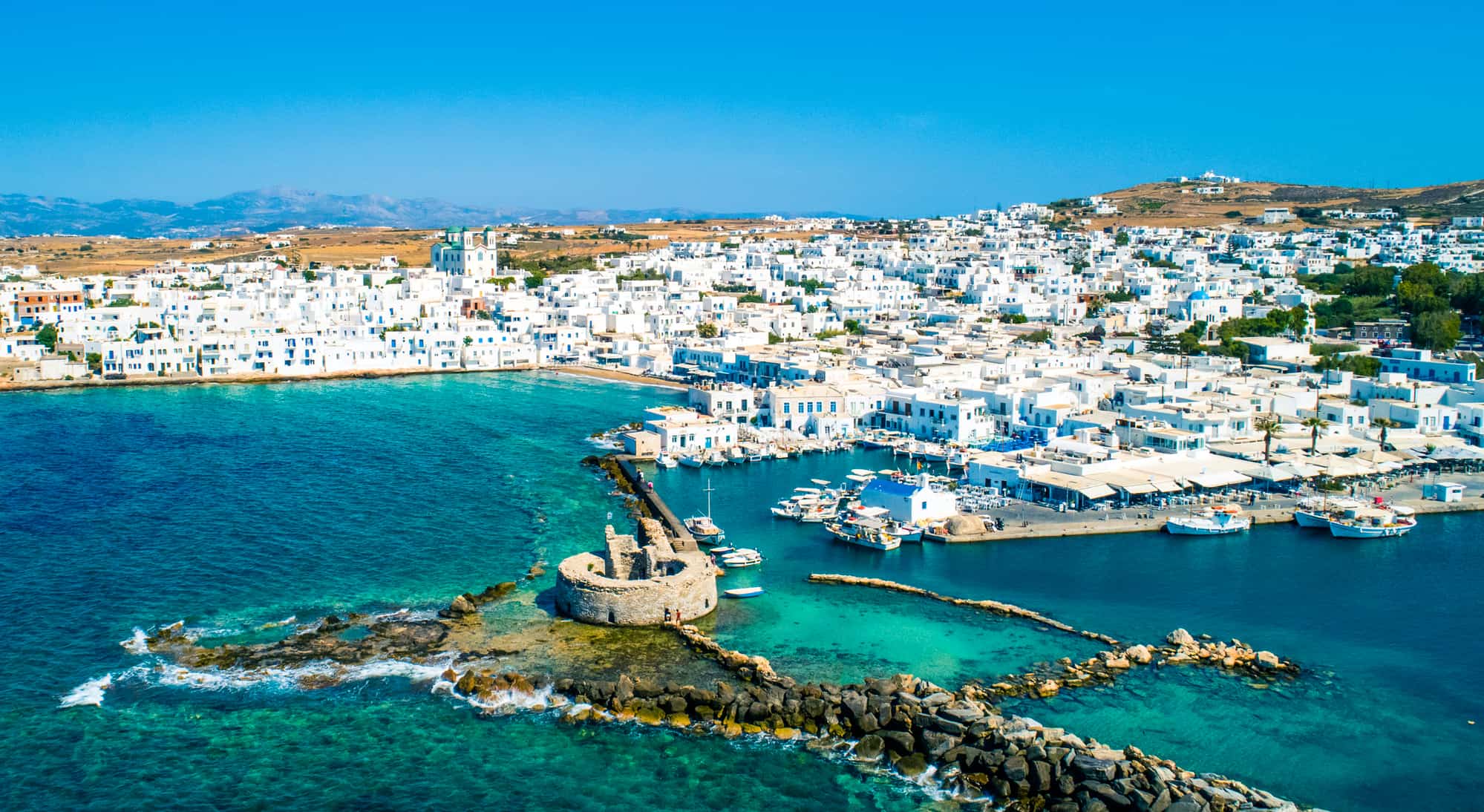
Paros, the “younger sibling” of Naxos, is one of the most pleasantly surprising holiday destinations in the Cyclades. The island boasts an impressive array of excellent beaches, including some with stunning geological formations. Along these beaches, well-developed stretches of hotels, guesthouses, and a few luxury resorts offer top-tier accommodation for visitors.
Paros is perfect for those seeking a unique island getaway while enjoying the traditional Cycladic charm — picturesque villages, beautiful sandy beaches, seafood tavernas, ferries and boats, and the aromas of fresh seafood along the promenades. The island also offers developed water sports facilities, taking full advantage of the unique wind patterns in the strait between Naxos and Paros.
There are beaches for every type of holidaymaker — young travelers, families, or adventure and extreme sports enthusiasts. Paros is easily accessible by ferry from neighboring Naxos or via domestic flights from Athens and Thessaloniki.
Milos
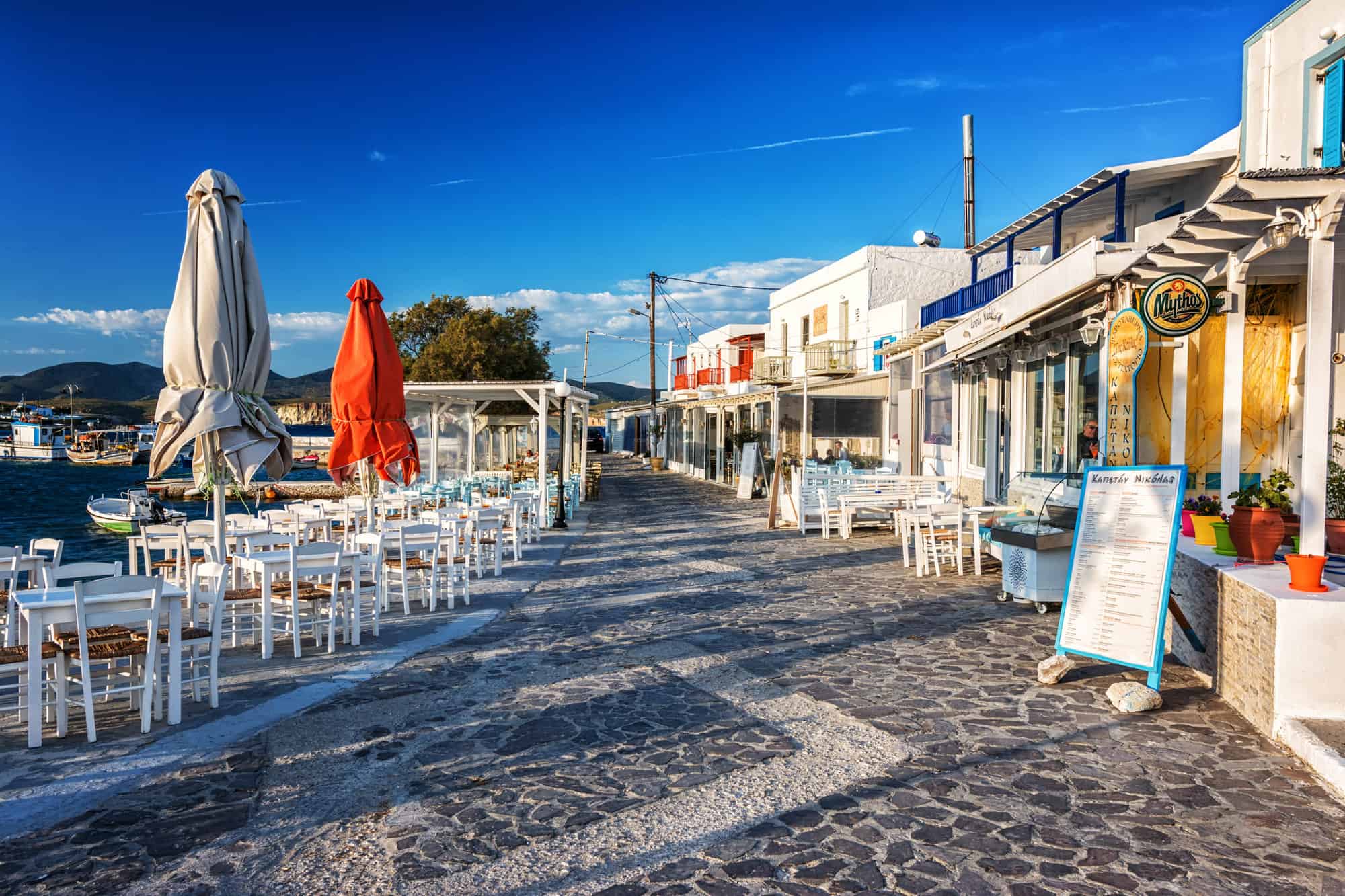
Milos is one of the most beautiful and mysterious gems of the Cyclades. The island is entirely shaped by volcanic activity (similar to its neighbor Santorini), which has had a profound impact on its unique geological character. Milos features some of the most spectacular geological formations in all of Greece, rivaling the dramatic wonders of nearby Santorini or Meteora in Thessaly.
The island’s two main coastlines — both northern and southern — are a collection of dramatic and striking beaches. Their vivid colors, created by volcanic minerals, and the natural sculptures formed by centuries of sea and wind erosion, make each beach on Milos completely distinct. Every coastline offers a unique and exceptional visual experience.
Milos remains relatively untouched by mass tourism, so visitors can enjoy its remarkable landscapes and pristine beaches without the crowds found on other popular islands.
Ios
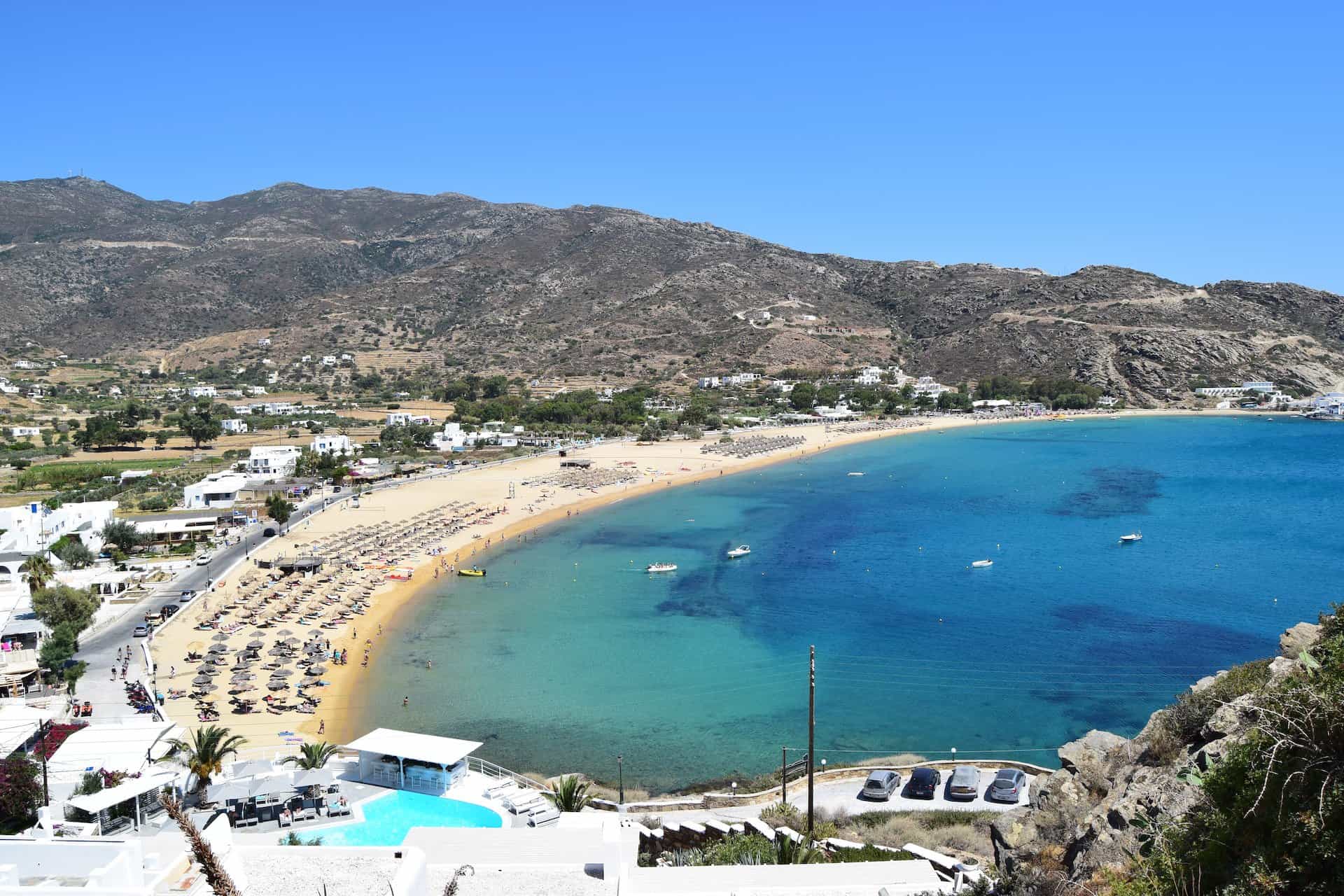
Ios is one of the most attractive destinations for young travelers in the Aegean Sea. Unlike its northern neighbor Mykonos, known as the ultimate party island, Ios originally developed as a destination for free-spirited travelers drawn to the island’s natural beauty and almost untouched serenity. The island boasts stunning beaches backed by a lively and energetic party scene.
Today, Ios competes with Mykonos for the younger crowd, offering a more affordable alternative, though with slightly less accessibility. The main hub for nightlife and parties is the mythical Mylopotas Beach, a wide sandy stretch where fun and festivities dominate the summer months.
Ios also holds historical and cultural significance: it is believed to be the final resting place of Homer, the legendary poet who authored the Odyssey and the Iliad.
Sporades
The Sporades are a group of 24 islands located north of the large island of Euboea, in the western Aegean Sea. Of these, only about five islands are inhabited, while a few others host isolated monasteries or single residences. The main tourist destinations are Skiathos and Skopelos, situated close to the Pelion Peninsula. Along with Alonissos, these islands form part of an underwater mountain range, with the islands themselves emerging as peaks above the sea.
To the south lies the larger island of Skyros, separated from the main cluster, giving the group its name: “Sporades” – meaning “scattered.” The islands are heavily forested and feature excellent sandy beaches, around which popular tourist resorts have developed.
Skiathos
The island of Skiathos is a small Aegean island that has become one of Greece’s hottest vacation destinations thanks to its unique characteristics. The island boasts an almost unbelievable concentration of photogenic and attractive beaches, which draw crowds for their distinctive charm.
Skiathos has gained a reputation as an ideal destination for young travelers, offering a lively nightlife scene with clubs, bars, and parties. While it may not be as internationally famous as nearby Mykonos to the southeast, Skiathos has a unique character of its own and is generally more budget-friendly, making it a perfect choice for those looking for fun without breaking the bank.
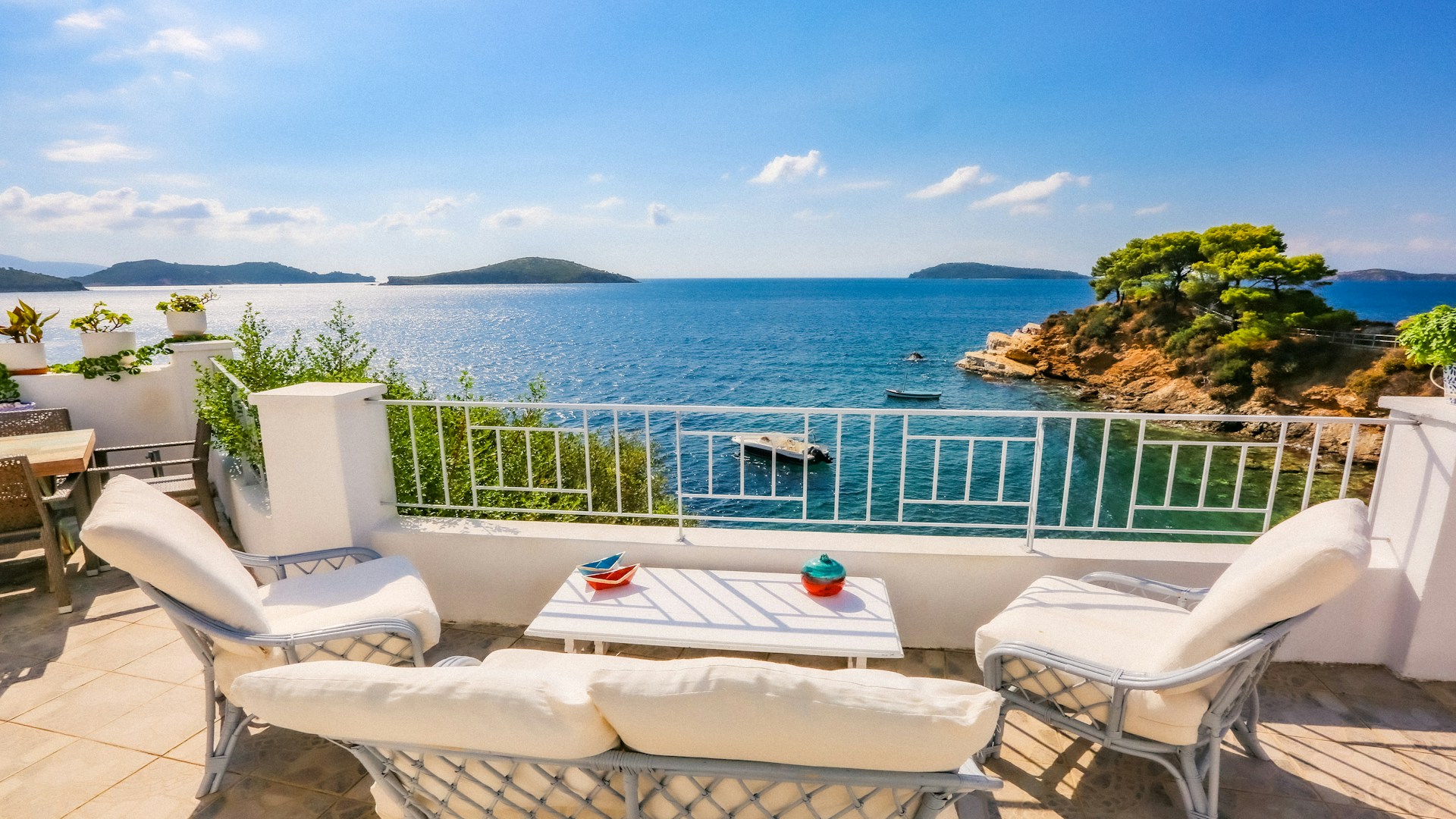
Skopelos
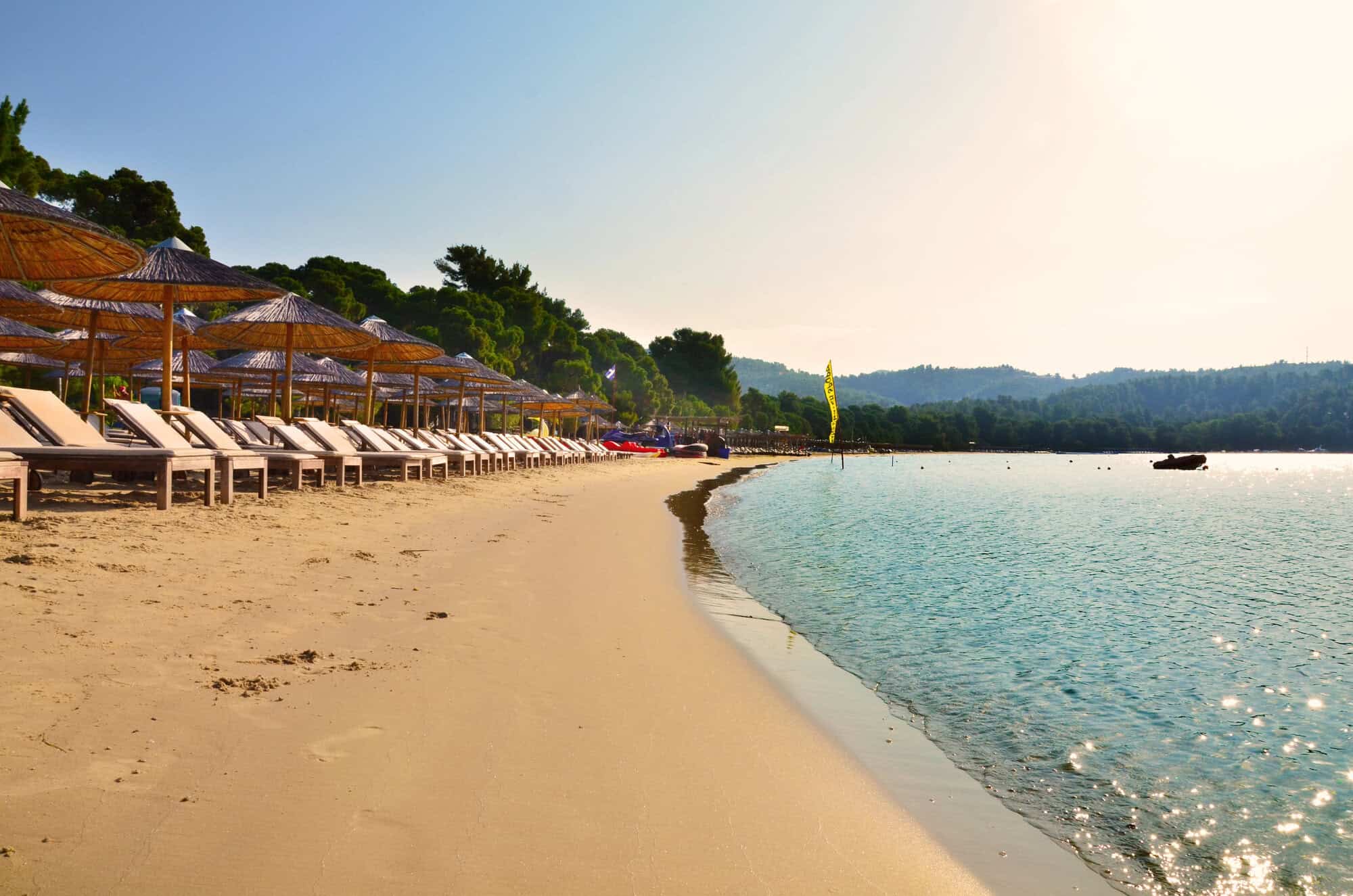
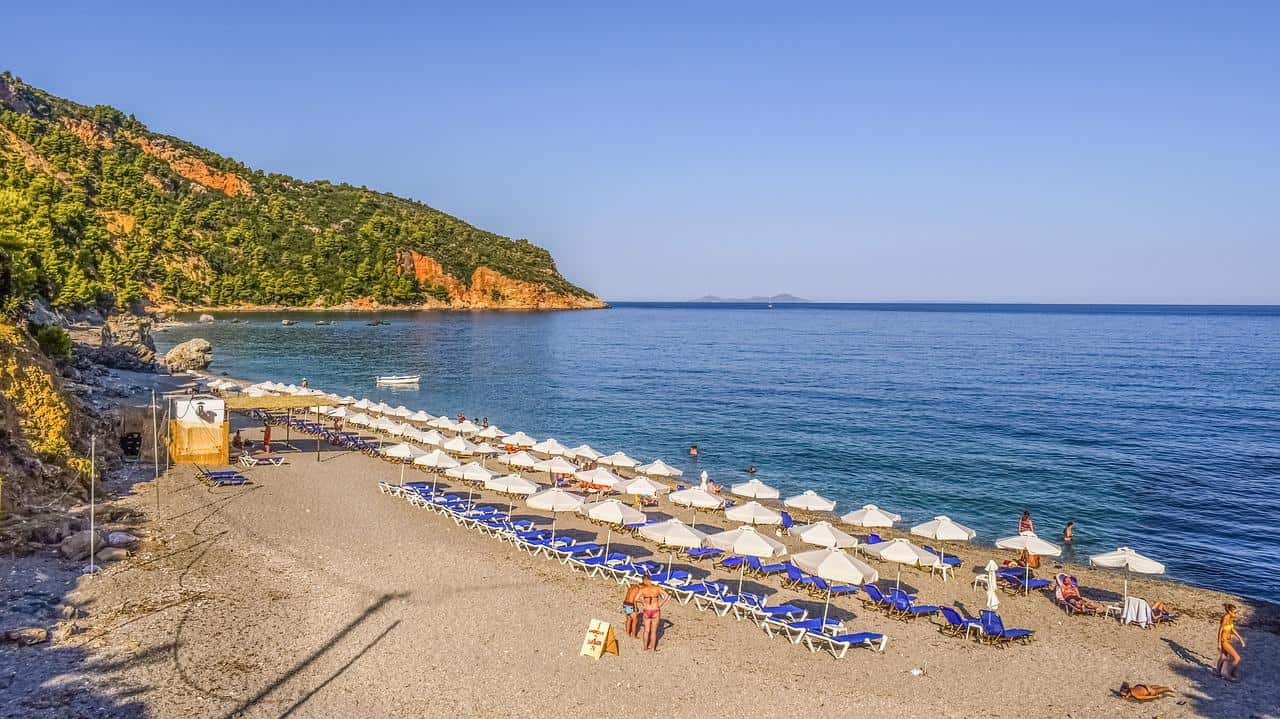
The island of Skopelos offers a similar vacation and beach experience to its neighbor Skiathos, but with a much more tranquil atmosphere. The island is dotted with picturesque fishing villages, beaches framed by white cliffs topped with noble pine forests, and—oh, the sea!—the deep turquoise waters of the Aegean are stunning, almost painfully beautiful as they lap against the cliffs.
Skopelos is larger than its smaller western sibling, yet it is less developed and more peaceful. Unlike Skiathos or Mykonos, you won’t find long strips of luxury resorts or bustling hotel areas here. Instead, the island is characterized by charming small villages and white-sand beaches shaded by lush pine forests, perfect for those seeking a serene escape.
North Aegean Islands
The North Aegean Islands are located in the northeastern Aegean Sea, close to the Turkish coast. This geographical region is less touristy than most other Greek island clusters. The islands stretch from Samos, a popular tourist destination in the south, up to Thasos and Samothraki in Thrace in the north. The largest of the North Aegean islands is Lesbos, which ranks as the third largest island in all of Greece.
These islands offer a more authentic and quiet Greek experience, with traditional villages, natural landscapes, and hidden beaches, making them ideal for travelers seeking peace, nature, and culture away from the major tourist hubs.
Samos
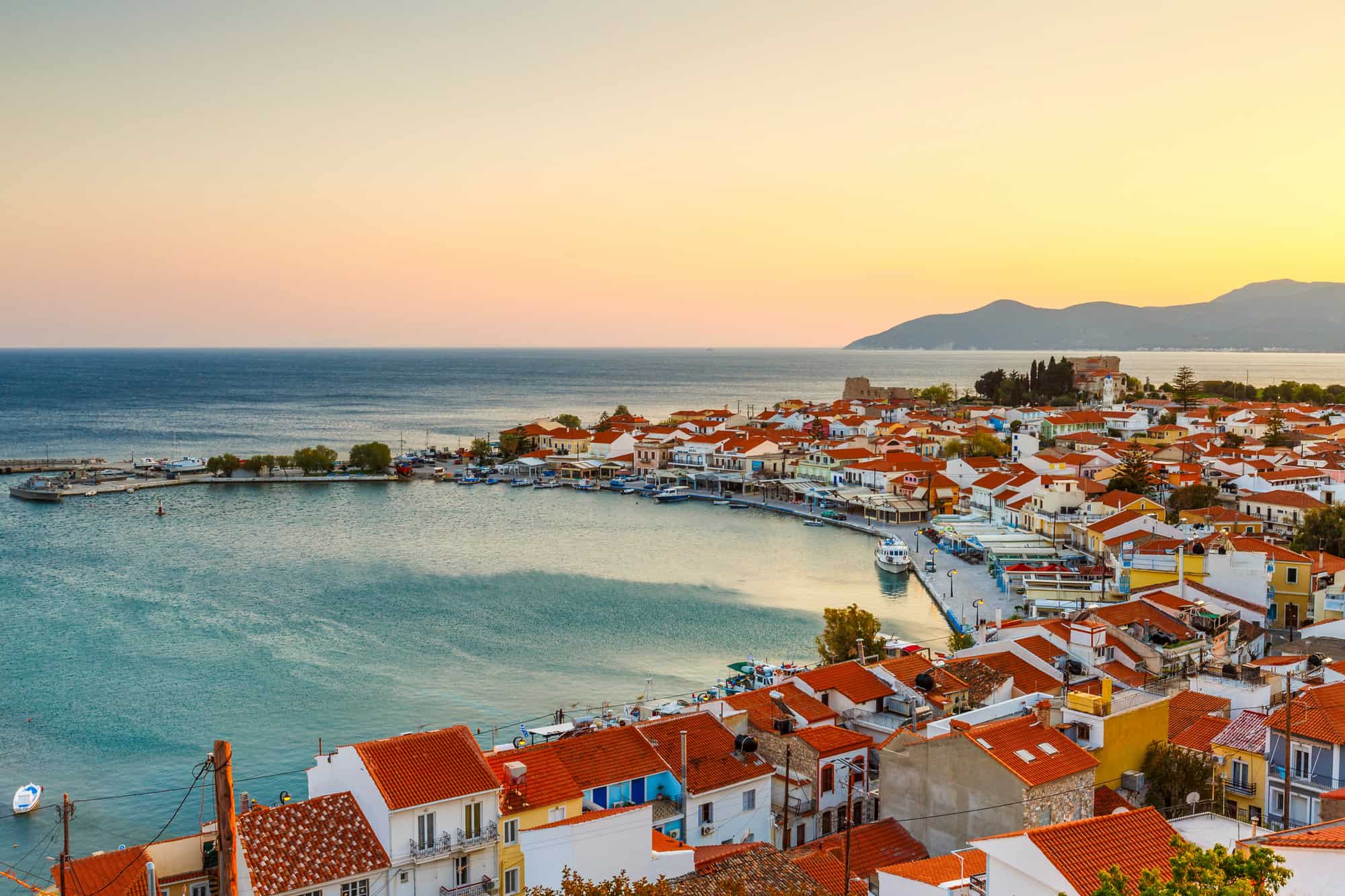
The green island of Samos is one of the most beautiful and unique vacation destinations among the Greek islands. Its lush, forested character sets it apart from the almost arid islands located south of it, opposite the Turkish coast.
In ancient Greece, Samos was home to the genius inventor Pythagoras and the philosopher Epicurus. During that time, the island functioned as a mini maritime empire under the formidable ruler Polycrates.
Today, Samos is an attractive destination for a calm and peaceful vacation, featuring some of the most beautiful beaches in the northern Aegean islands.
Lesbos
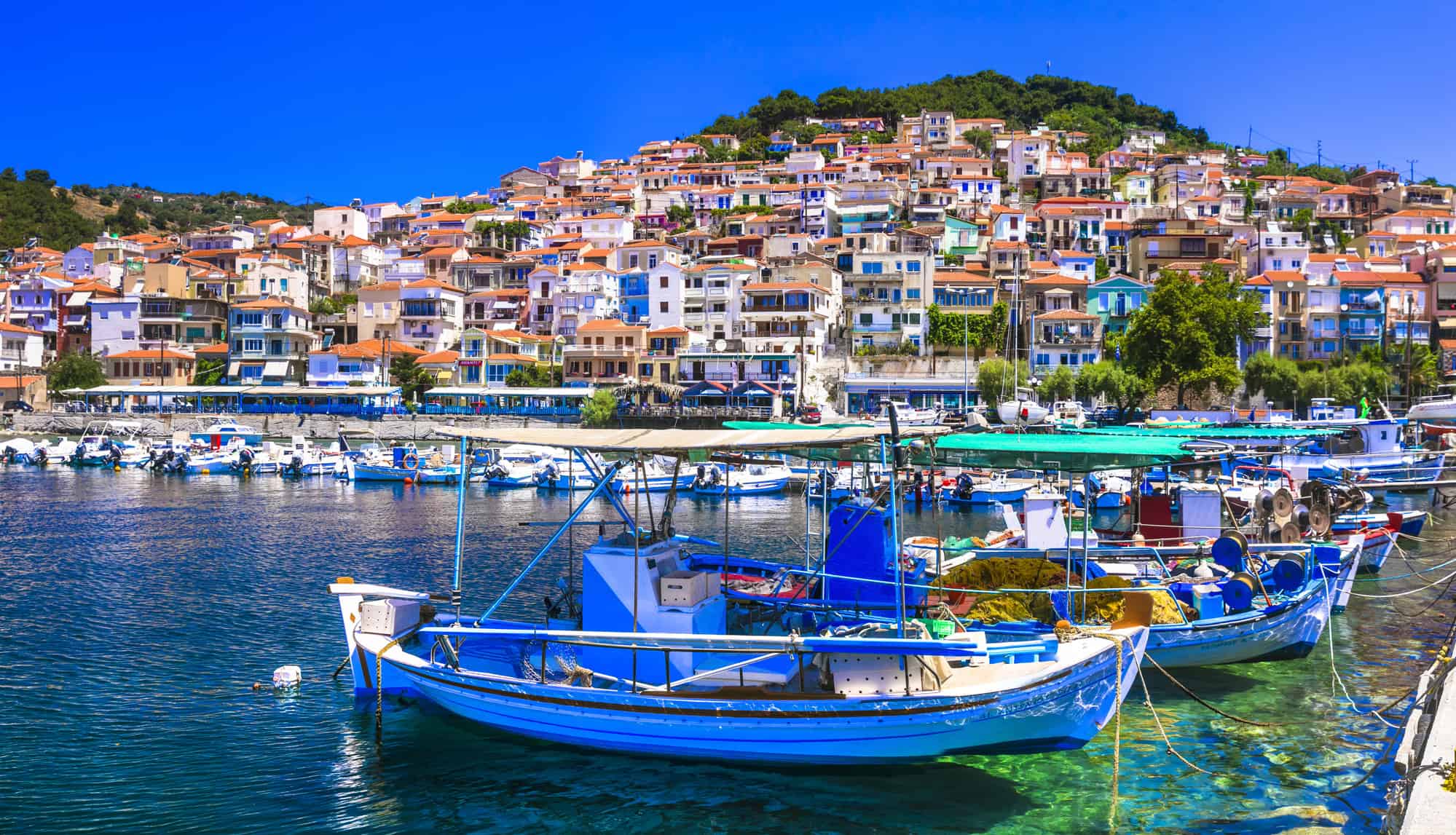
The island of Lesbos is the third largest of all Greek islands (after Crete and Euboea) and the main island of the North Aegean group. Its capital, Mytilene, is the central hub for the islands in northeastern Greece.
Lesbos is famous primarily because of the ancient Greek poet Sappho, who wrote about love between women and gave rise to the term “lesbian” as a reference to the island.
Despite its rural and modest character, Lesbos is very popular with the LGBTQ+ community. The village of Arsos, in the western part of the island, has become a popular pilgrimage and vacation spot, attracting visitors seeking both culture and relaxation.
Northern Greece
Meteora
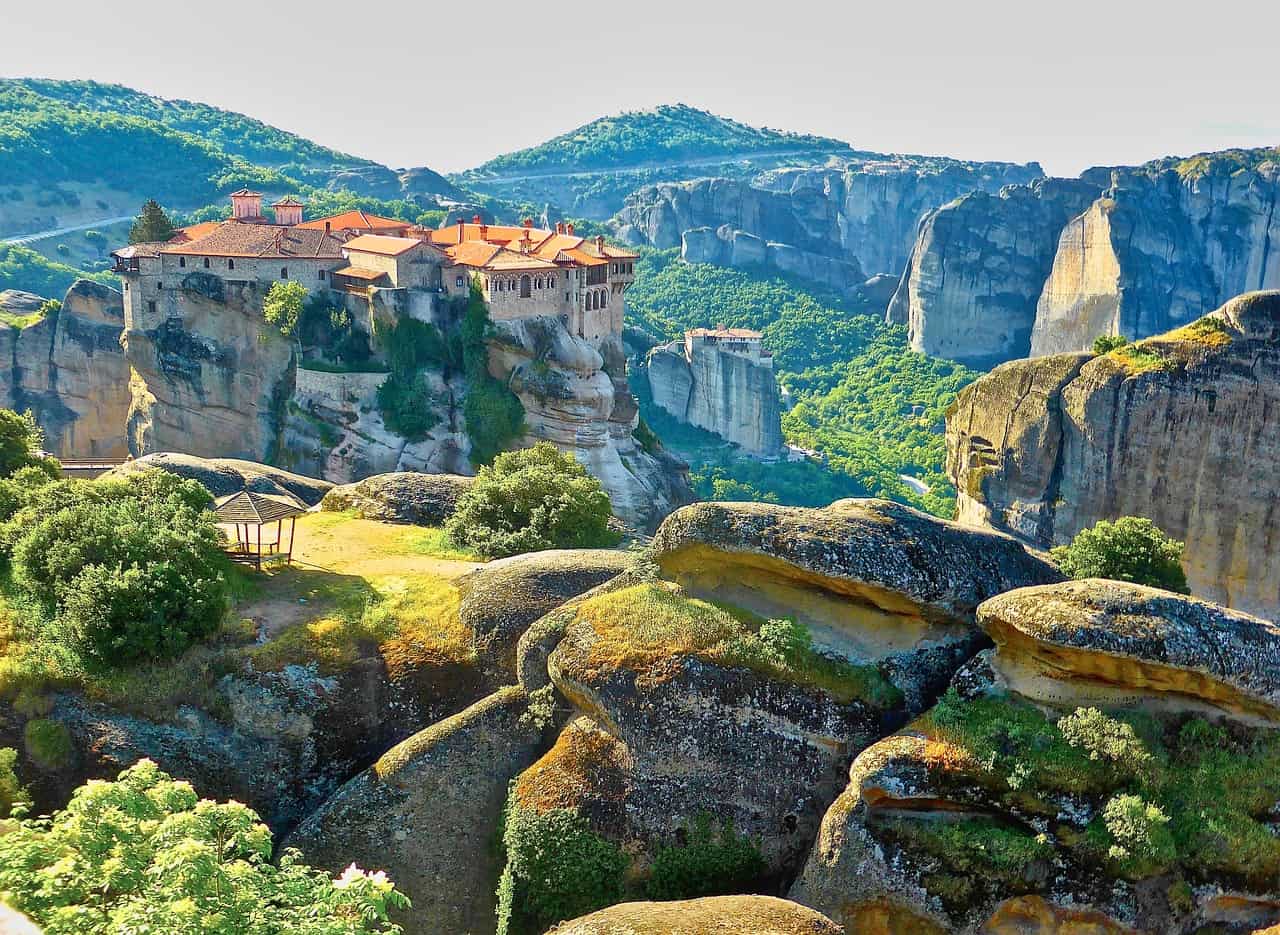
Meteora, or more precisely the Meteora monasteries, is a unique gem in the heart of mainland Greece. Geological wonders caused the mountains to erode over thousands of years, leaving behind magnificent rock pillars in Meteora. On these rocks, Greek Orthodox monks built monasteries as protection from Turkish invaders. Today, the Meteora monasteries are among the most beautiful sites in Greece, attracting countless tourists to this stunning geological and human marvel in northern Greece.
Near the town of Kalabaka, over a thousand years ago, monks from the Greek Orthodox Church chose the towering rock pillars of Meteora to build their homes. The remote and elevated location allowed them to live in solitude and devote themselves to God with the discipline and asceticism they sought. The result is a top-tier tourist destination that combines nature, breathtaking scenery, history, and remarkable human achievement. In short, it is a must-visit site for anyone exploring mainland or northern Greece.
Chalkidiki
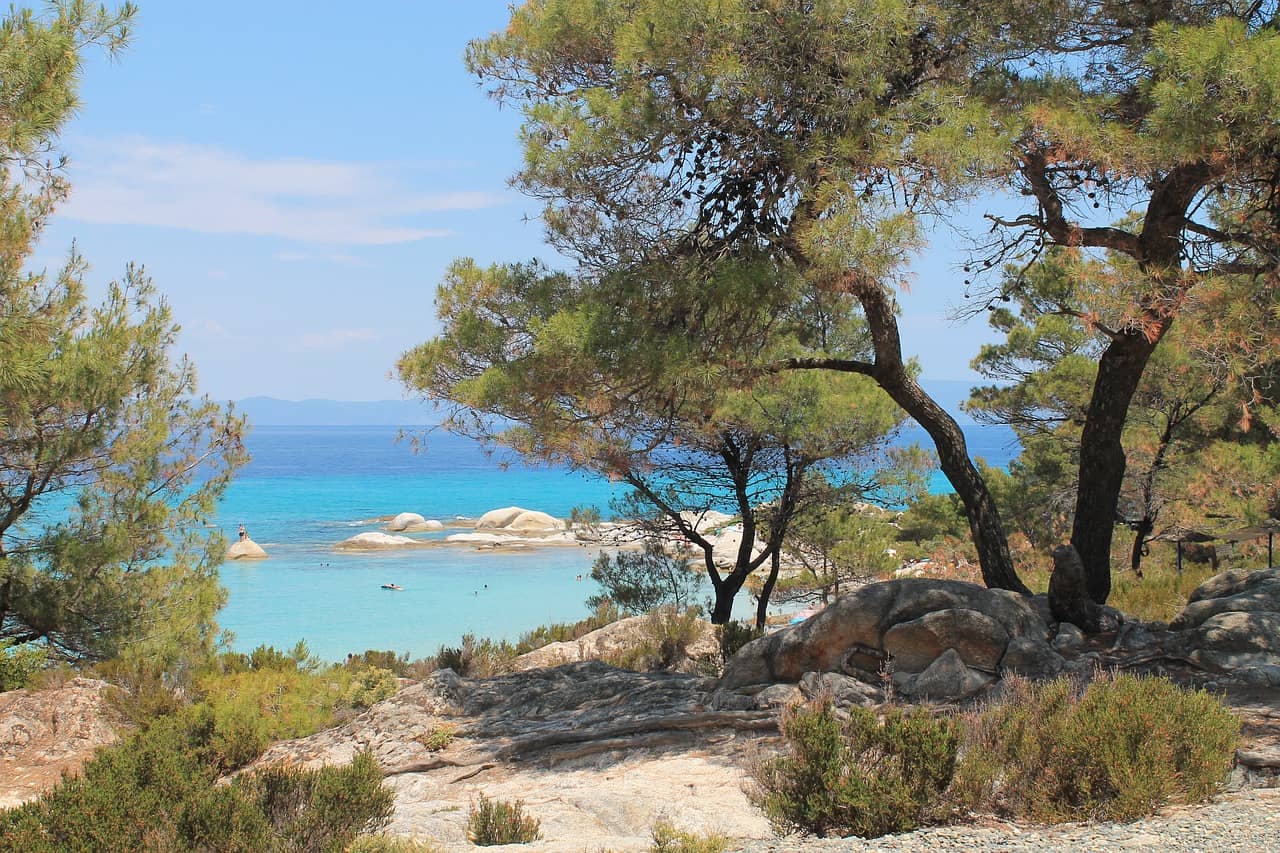
Chalkidiki is the most popular and crowded holiday region of mainland Greece, located near Thessaloniki. Every summer, hundreds of thousands of tourists flock to the many resorts along the peninsula’s long and endless coastline, stretching down to its three southern “fingers.” In winter, like many Greek islands, Chalkidiki’s beaches go dormant, but every summer they come alive again—and how spectacular they are!
The Chalkidiki peninsula is one of the most popular tourism and holiday destinations in Greece. In the south, the peninsula splits into three fingers, from east to west:
- Mount Athos (or Agion Oros) – the easternmost finger, an autonomous religious region almost completely closed to visitors.
- Sithonia – the middle finger, dotted with small, picturesque resorts and some of the most dramatic and beautiful beaches in northern Greece.
- Kassandra – a holiday empire with extensive resorts along the coast near the town of Nea Moudania, the largest and most important settlement in this coastal region.
Kastoria and Western Macedonia
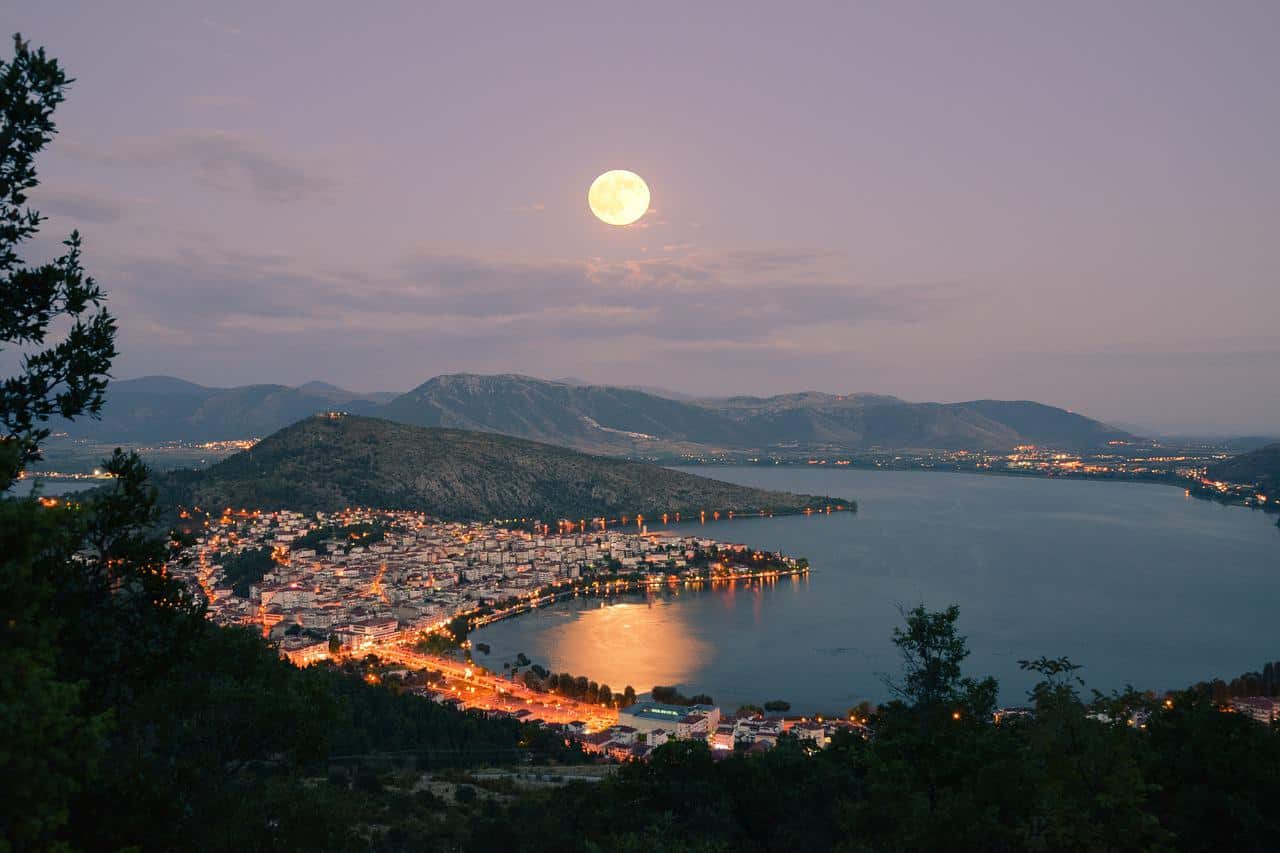
The small and charming city of Kastoria dominates the rural area west of Thessaloniki. It offers a cool and picturesque holiday destination, highly popular among Greek domestic tourism.
This region, historically tied to the birthplace of Alexander the Great, son of King Philip II, is now a breathtaking blend of ancient sites, nature, and a different, more Balkan side of Greece.
In the expansive peripheral area of northern Greece, you’ll find towns and villages that seem frozen in time, archaeological sites of immense importance, and wild nature featuring rushing waterfalls and lakes that are home to endemic species found nowhere else in the world.
Eastern Thessaly – The Ranges and Coasts of Olympus, Pelion, and Evia
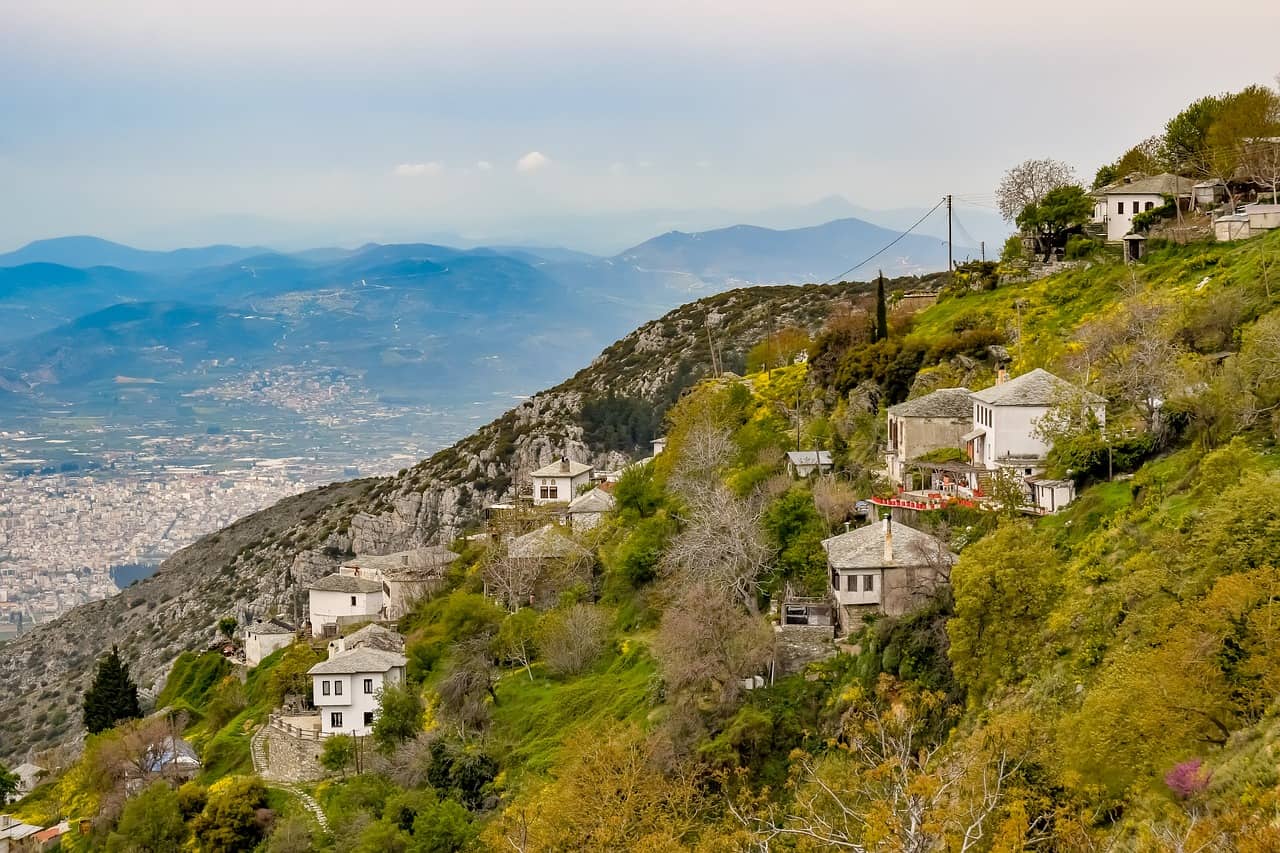
The nearly continuous mountain range stretches from Mount Olympus in the north, through Mount Ossa, Mount Pelion, and down to the central ridge crossing the island of Evia, including several sites of immense historical and mythological significance in Greece. The mountainous coastline features snow-capped peaks as well as breathtaking beaches nestled at the foot of Greece’s towering mountains.
Traveling through this region offers the best of mainland Greece – lush mountainous landscapes, white sandy beaches meeting the deep blue waters of the Aegean Sea, sleepy and picturesque Greek villages, sites central to Greek mythology, towns with fascinating geographic features, and an abundance of authentic Greek atmosphere.
Southern Greece
Peloponnese
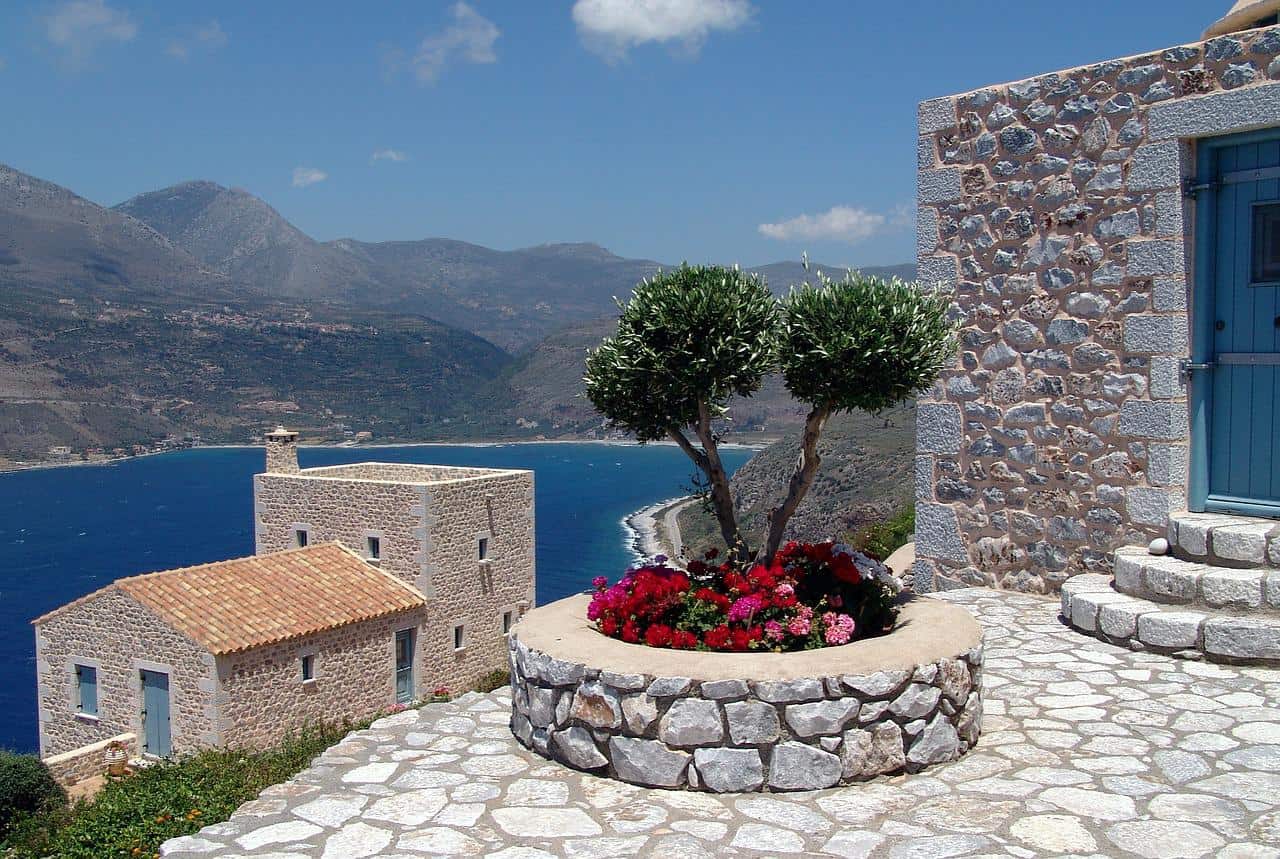
The Peloponnese Peninsula was the setting for nearly all of Greek mythology’s greatest stories. Today, it is one of the most pristine and beautiful tourist regions in all of Greece. The charm of the Peloponnese lies in its spectacular geography – a stunning mix of turquoise seas and rugged mountains that has remained largely unchanged to this day. Modern visitors trade ancient pagan rituals for an abundance of beautiful beaches, colorful fishing villages, and numerous Orthodox monasteries.
The peninsula is named after the mythical hero Pelops, ancestor of many of Greece’s legendary heroes. Among his descendants was Heracles (Hercules), who traversed the peninsula extensively as part of his mythological labors. The entire region is both archaeological and mythical. The Peloponnese offers natural sites, breathtaking beaches, unique towns, and, of course, major archaeological sites including Sparta, Phlius, Argos, Mycenae, Corinth, Nemea, and Troezen, among others.
Northern Coast of the Gulf of Corinth – Thebes and Delphi
West of Athens, along the slopes of the mythical Lykion and Parnassos mountain ranges, lie some of Greece’s most important archaeological sites. Delphi, the city of the god Apollo’s oracle, is perhaps the most significant tourist destination in Central Greece (Sterea Ellada).
At Delphi, the oracle foretold the fate of the land’s inhabitants, and its prophecies are key to many of Greek mythology’s most famous stories. A prominent example is the prophecy given to King Oedipus of nearby Thebes, which set in motion the iconic mythological tale.
Between Thebes and Delphi, there are additional important sites, including the archaeological site of Orchomenos and the Osios Loukas Monastery, one of the best-preserved and most significant monasteries in Greece. Osios Loukas played a major role in influencing monastery architecture throughout the country.